
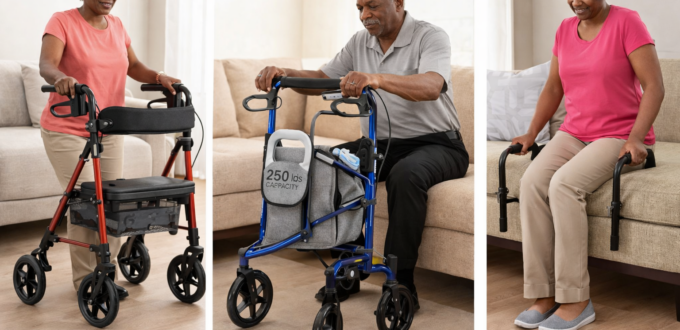
Many people searching for a “Motability grant” assume it works like a standard government benefit or insurance approval. In reality, qualifying for a Motability grant depends on a very specific set of circumstances, and it is often misunderstood, especially by families in the United States. First, it’s important to clarify what a Motability grant actually […]
Who is eligible for a free mobility scooter?
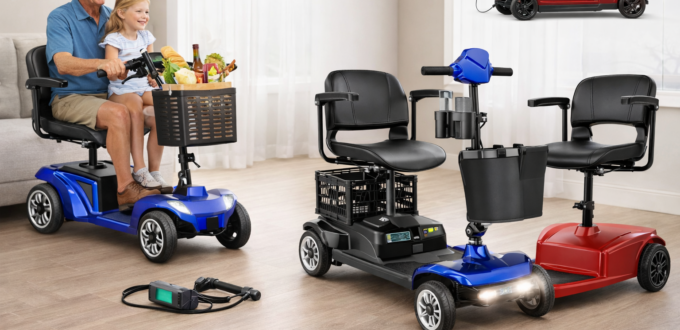
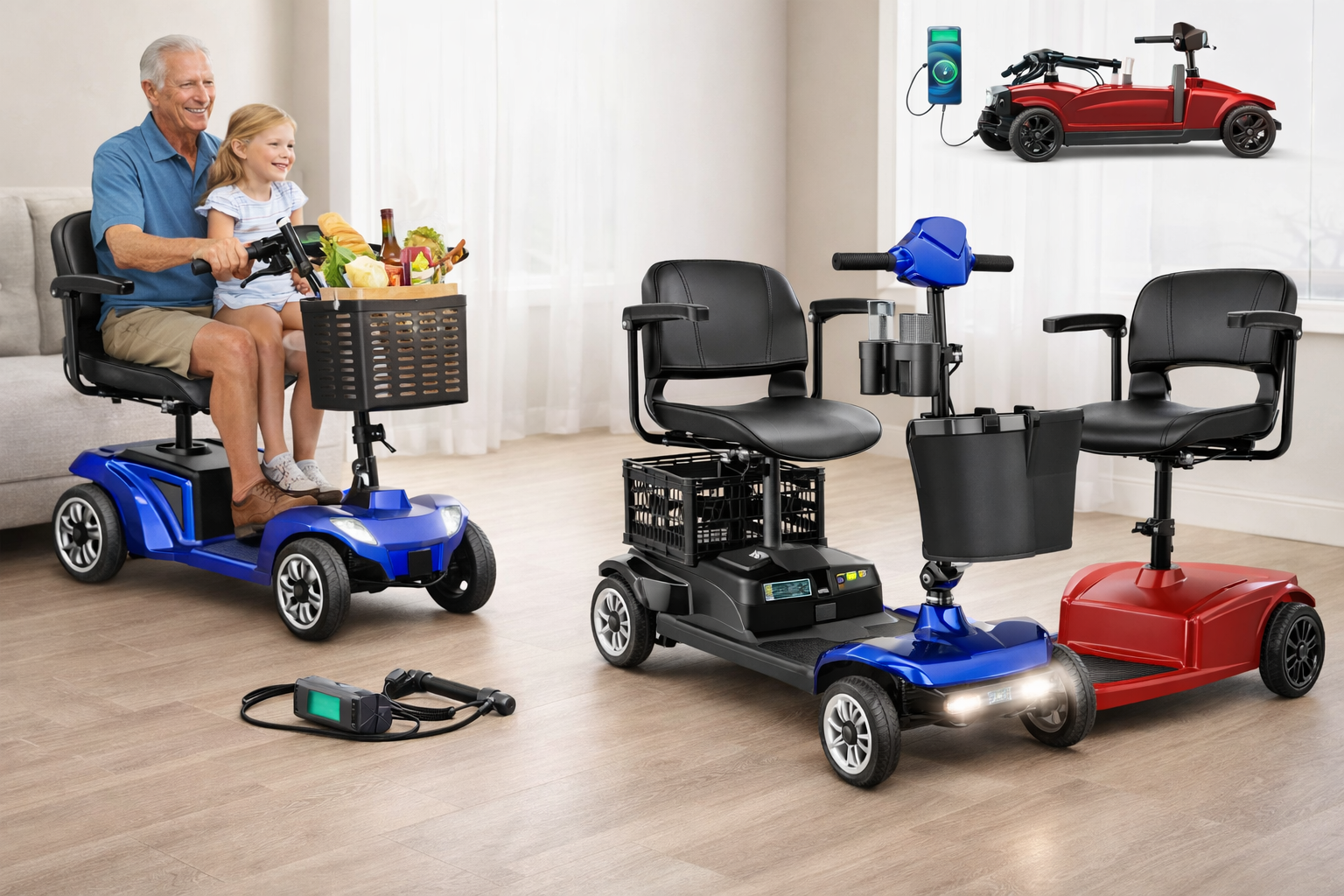
Many people search for a “free mobility scooter” assuming there is a simple government or insurance giveaway program. In reality, eligibility for a free mobility scooter depends on a combination of medical necessity, insurance rules, and how the device is classified. Understanding these factors helps families avoid wasted time and false expectations. A mobility scooter […]
What Is the Meaning of Mobility Devices?
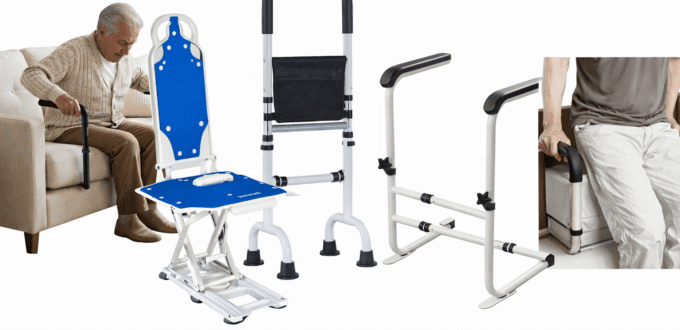
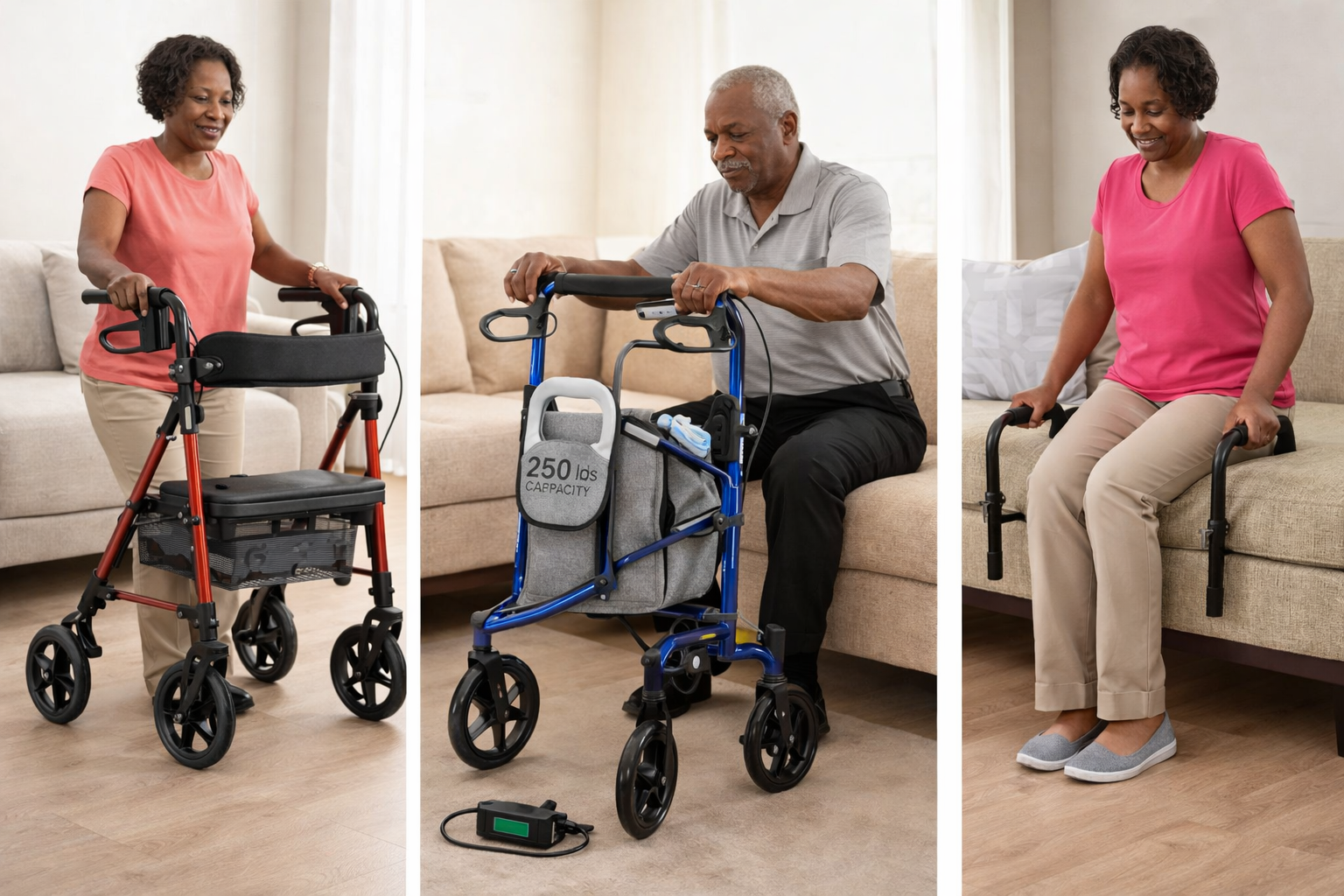
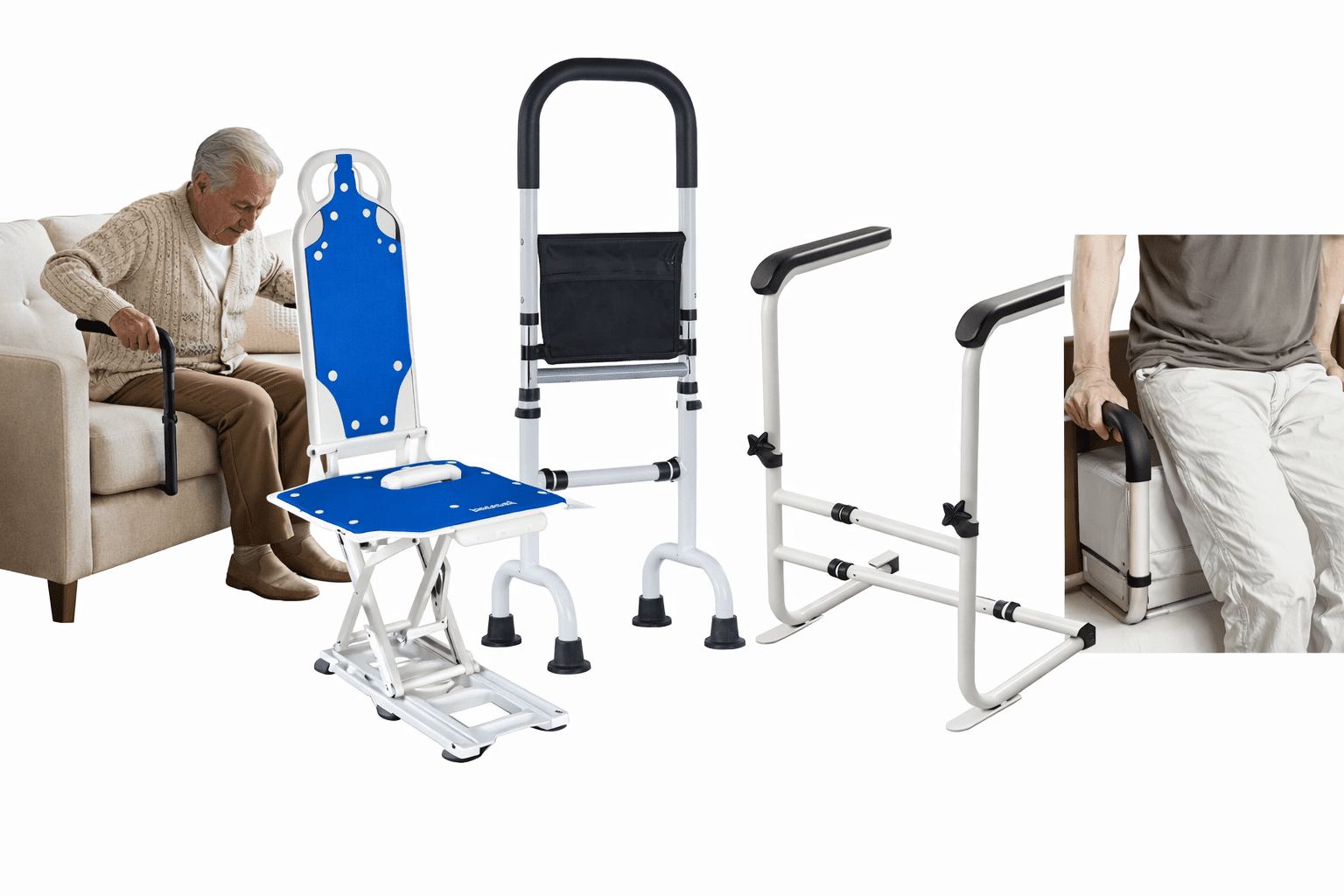
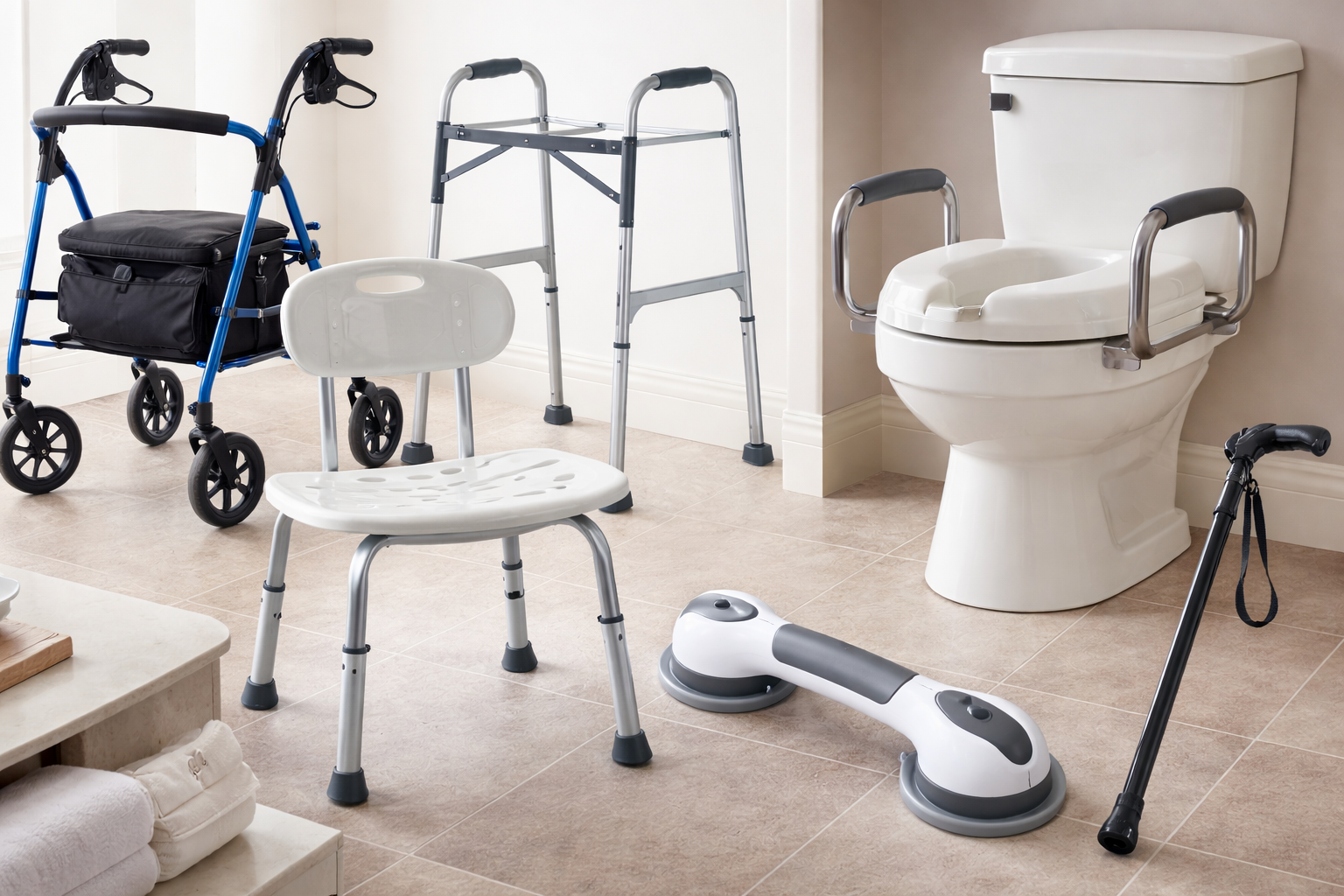
The meaning of mobility devices goes beyond the idea of medical equipment. Mobility devices are tools designed to reduce risk, preserve independence, and bridge the gap between full physical ability and the limitations that come with aging, illness, or injury. Their real purpose is not just movement, but safety, confidence, and continuity of daily life. […]
What Is the Most Important Device That Can Help Elderly People?
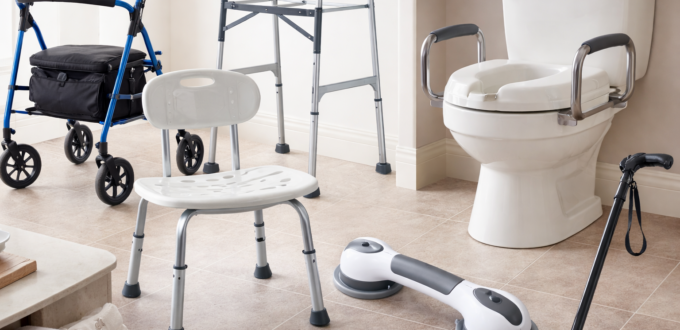
When families think about helping an elderly loved one, the first question is often about care services. But just as important as hands-on care is the right support device. The most important device for an elderly person is not always the most expensive or advanced. In most cases, it is the device that helps prevent […]
Does Medicare Pay for Homecare for Seniors?

This is one of the most misunderstood questions in senior care. In most cases, Medicare does not pay for long-term home care. Medicare may cover short-term, medically necessary home health services, such as skilled nursing or therapy, usually after a hospital stay. It does not cover ongoing personal care like bathing, dressing, or supervision. Medicaid […]
What Does a Family Caretaker Do?

A family caretaker provides unpaid or informal support to someone who cannot fully care for themselves. This often includes help with meals, bathing, mobility, medication reminders, supervision, and emotional support. Family caretaking usually starts before any formal services are in place. Over time, the responsibilities grow, and many caretakers experience burnout. This is often when […]
How Much Does Friends and Family Home Care Pay Per Hour?

This question usually comes from people hoping to care for someone they know and get paid. In New York, the answer depends on which program, if any, applies. There is no general program that pays friends and family automatically. Payment is tied to Medicaid eligibility and specific program rules. Personal Care Aide services are agency-based, […]
What Is the Highest Pay for a Caregiver?

This question is common and understandable, especially for people considering caregiving as work. In New York, however, there is no single “highest” caregiver pay rate because caregiving is not one job with one pay scale. Private pay caregivers can sometimes earn higher hourly wages, but those roles are inconsistent and often lack benefits, protections, and […]
What Is the Hourly Rate for a Care Assistant?

The term care assistant is often used loosely, which is why this question creates confusion. In New York, care assistants typically fall under formal roles like Personal Care Aides or Home Health Aides, and their pay structure depends on how the care is funded. In private pay settings, agencies set their own pricing, and hourly […]
What Is the Hourly Rate for Carers?







People typically search for this question because they want to understand care costs or caregiver compensation. In New York, the answer depends entirely on context. There is no single hourly rate for carers, because “carer” can mean different things depending on whether the care is private, agency-based, or Medicaid-funded. For private pay home care, hourly […]