
Many people searching for a “Motability grant” assume it works like a standard government benefit or insurance approval. In reality, qualifying for a Motability grant depends on a very specific set of circumstances, and it is often misunderstood, especially by families in the United States.
First, it’s important to clarify what a Motability grant actually is. The Motability Scheme is a UK-based program, not a U.S. federal or state program. It helps eligible individuals in the United Kingdom lease vehicles or mobility equipment using certain disability benefits. Because of this, Motability grants are not available through Medicare, Medicaid, or U.S. insurance programs.
Eligibility for a Motability grant in the UK is tied directly to receiving qualifying disability benefits. These typically include specific mobility-related components of government disability payments. The grant itself is designed to help cover costs that are not fully met by the standard Motability allowance, such as vehicle adaptations or higher upfront expenses.
Another key requirement is demonstrated mobility limitation. Motability grants are not issued simply because someone wants a mobility vehicle or scooter. Applicants must show that mobility challenges significantly affect daily life and that the equipment or vehicle is necessary to maintain independence.
Financial circumstances may also be reviewed. Grants are often prioritized for individuals who cannot afford the additional costs associated with mobility equipment or vehicle adaptations. Even then, approval is not guaranteed and depends on available funding and individual need.
For families outside the UK, including those in New York, this distinction matters. There is no direct U.S. equivalent to the Motability grant. This often leads families to search for alternatives, such as insurance coverage, Medicaid services, nonprofit assistance, or out-of-pocket solutions.
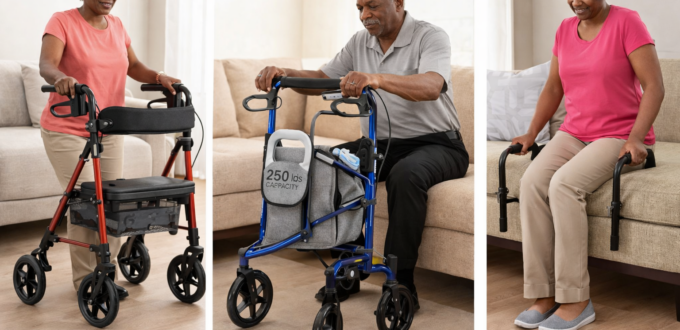
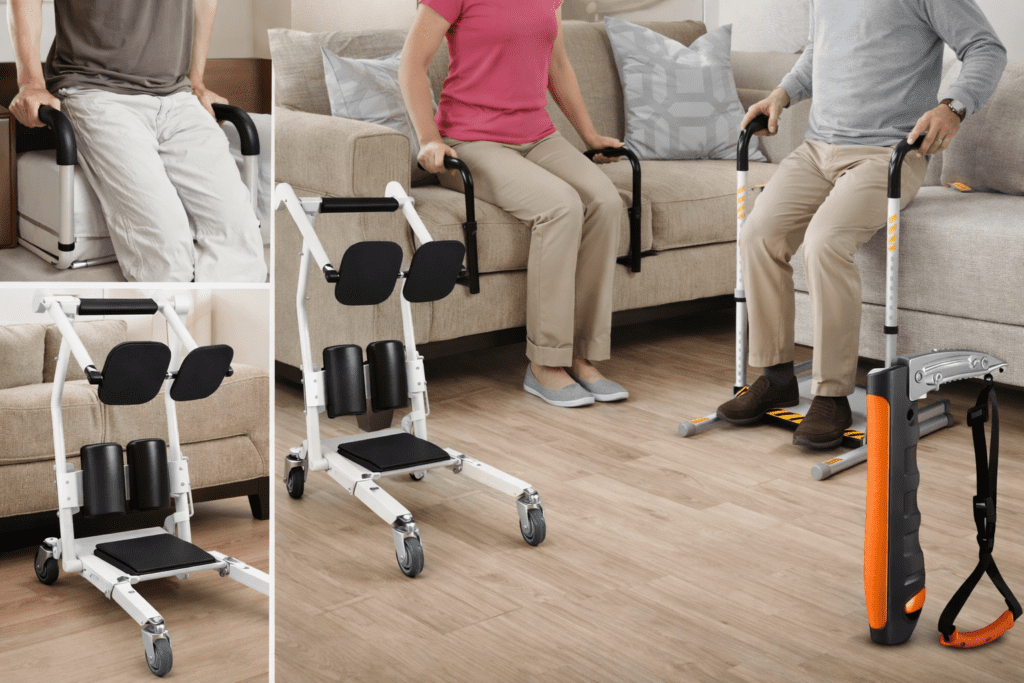
In the U.S., mobility support is more commonly addressed through a combination of medical evaluations, home care services, and practical mobility aids rather than centralized grant programs. Devices like walkers, rollators, scooters, and transfer aids are typically obtained independently, while care services focus on supporting daily activities safely at home.
Understanding the limits of grant programs helps families avoid delays and focus on realistic solutions. Instead of searching for a single approval path, many families find it more effective to combine appropriate mobility equipment with in-home support and care planning.
If you are exploring mobility options, practical mobility aids are often the fastest and most accessible solution.
You can explore mobility scooters and mobility aids here:
View mobility aids on Amazon
If you’re caring for a loved one in New York and mobility challenges are affecting daily living, guidance on home care options and eligibility can help clarify next steps. You can reach out here for support:
https://familycaregiverny.com/contact/