

Getting prescribed a mobility scooter is not about asking for a specific device. It is about proving medical necessity based on how mobility limitations affect daily life inside the home. This distinction is where most people get stuck.
A prescription for a mobility scooter starts with a medical evaluation, usually by a primary care physician or specialist. The provider is not deciding whether a scooter would be helpful in general. They are documenting whether the person can safely perform essential daily activities such as moving between rooms, using the bathroom, or preparing meals without mobility assistance.
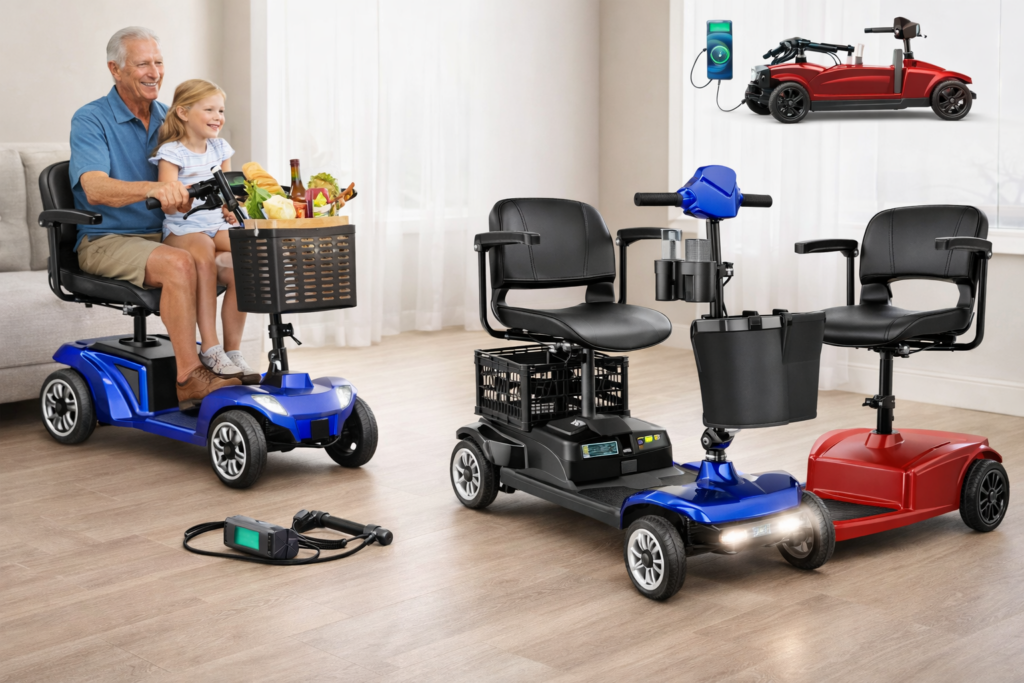
One of the most misunderstood points is that scooters are not automatically approved just because walking is difficult. Doctors must first rule out simpler options. If a cane, walker, or manual wheelchair can reasonably meet the person’s needs, a scooter is unlikely to be prescribed. Scooters are typically considered only when other mobility aids are insufficient and when the individual lacks the strength or coordination to use them safely.
Another critical factor is where the scooter will be used. Prescriptions are based on in-home mobility, not outdoor errands or long-distance travel. If the living space cannot safely accommodate a scooter due to layout, narrow hallways, or stairs, that can also affect whether a prescription is issued.
Functional assessments often play a role. These evaluations look at balance, endurance, upper body strength, and fall risk. The goal is to determine whether a scooter improves safety or introduces new hazards. This is why some people with severe mobility issues are still denied scooter prescriptions while others with less obvious limitations are approved.
Insurance coverage is a separate step from the prescription itself. Even with a doctor’s order, approval depends on strict documentation and policy rules. Delays and denials are common, which is why many families explore practical alternatives rather than waiting months for a decision.
In real life, many people who need mobility support rely on a combination of tools. A prescribed device may address part of the problem, while additional mobility aids help with transfers, standing, or short-distance movement at home. This layered approach often provides better safety and independence than a single device alone.
If mobility challenges are affecting daily living, it may also signal the need for additional support beyond equipment. In-home care services are often considered when mobility limitations interfere with bathing, dressing, or safe movement around the home.
You can explore commonly used mobility scooters and mobility aids here:
View mobility scooters on Amazon
If you’re caring for a loved one in New York and mobility limitations are becoming part of daily life, guidance on home care options and eligibility can help clarify next steps. You can reach out here for support:
https://familycaregiverny.com/contact/