
When people search for what they can get for free if they’re disabled, they’re often expecting a list of products or cash benefits. In reality, most free support comes in the form of services, protections, and access, not unlimited equipment or direct payments. Understanding what is truly free helps set realistic expectations and prevents wasted time.
One of the most important free benefits available to people with disabilities is access to healthcare coverage. Individuals who qualify for Medicaid can receive doctor visits, hospital care, prescriptions, and preventive services at little or no cost. While not everything is free forever, essential medical care is heavily subsidized for those who qualify.
Transportation support is another major area. Many cities, including New York City, offer free or reduced-fare public transportation for people with disabilities. Paratransit services provide door-to-door transportation for those who cannot safely use buses or subways, allowing access to medical appointments and essential errands without paying standard fares.
People with disabilities are also entitled to reasonable accommodations at no cost to them. This includes workplace accommodations, housing modifications approved by landlords, and accessibility adjustments in public spaces. These protections are guaranteed by law and are often overlooked as “benefits,” even though they can significantly improve daily life.
In-home support services may also be available at no cost for those who qualify through Medicaid programs. These services focus on assistance with daily activities such as bathing, dressing, meal preparation, and mobility. While eligibility depends on medical need and income, approved services are provided without direct payment from the individual.
Another often-missed category is free evaluations and assessments. Medical assessments, functional evaluations, and eligibility determinations for disability-related programs are typically provided at no charge. These assessments are critical because they open the door to services and long-term support.
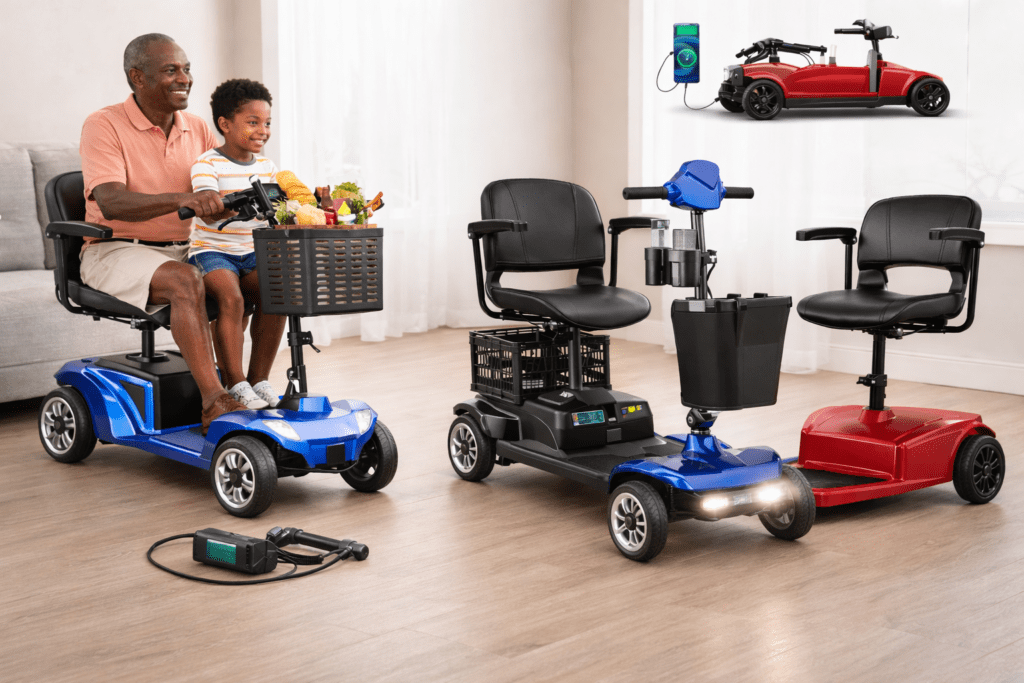
What people usually do not get for free are expensive devices, such as mobility scooters or specialized equipment, without strict approval. Instead, many individuals combine free services with affordable assistive tools to meet daily needs.
For everyday safety and independence, many people choose to supplement free services with practical mobility aids.
You can explore commonly used mobility and assistive devices here:
View assistive devices on Amazon
If you or a loved one is disabled and living in New York, understanding which free services you may qualify for can make a major difference. If you need help navigating home care options or eligibility, you can reach out here:
https://familycaregiverny.com/contact/