
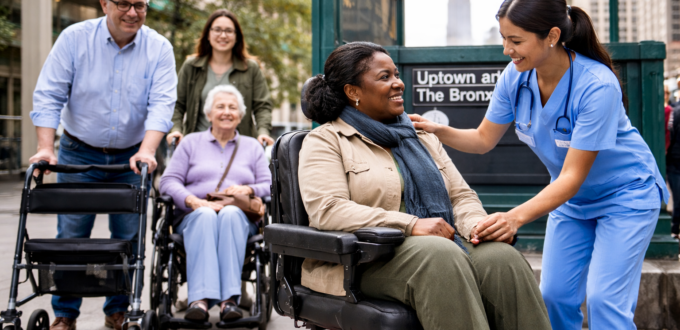
New York City offers a wide range of benefits for people with disabilities, but they are rarely delivered through a single program or application. Instead, support in NYC is spread across healthcare, transportation, housing, and in-home assistance systems. Understanding how these benefits work together is often more important than knowing any single benefit in isolation.
One of the most significant supports available in NYC is access to Medicaid-funded healthcare and long-term care services. For disabled individuals who qualify financially and medically, Medicaid can cover doctor visits, hospital care, medications, and, in many cases, long-term services such as personal care assistance. These services focus on helping individuals manage daily activities safely at home rather than placing them in institutional settings.
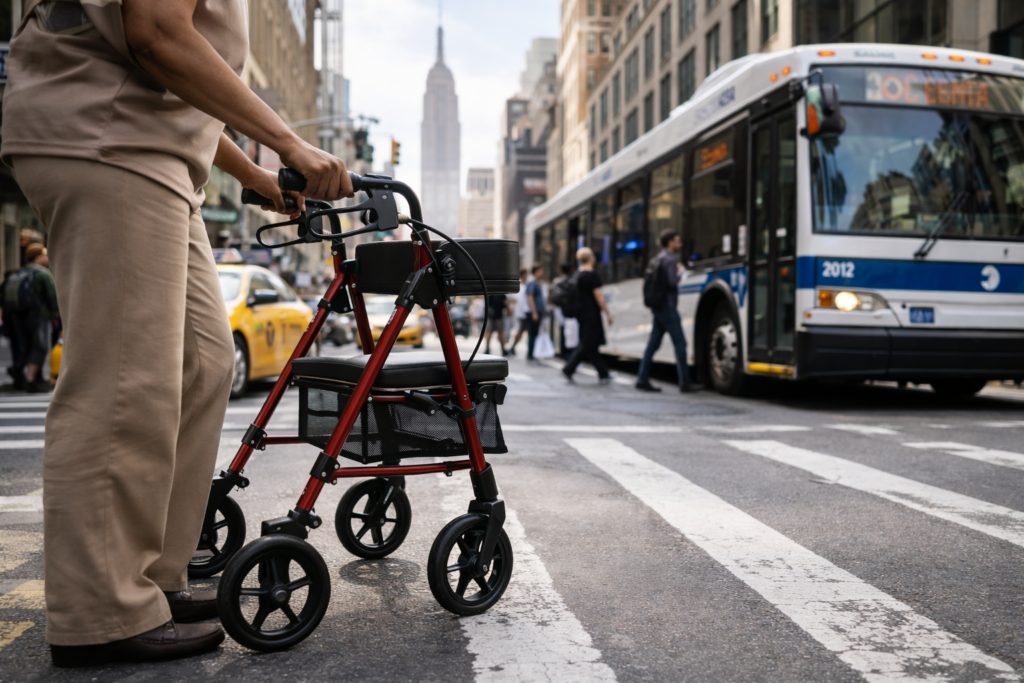
Transportation is another major area of support. NYC provides accessible public buses citywide, many subway stations with elevators, and paratransit services such as Access-A-Ride for individuals who cannot use standard public transportation due to a disability. While these services require advance planning, they allow many disabled residents to attend medical appointments, shop for essentials, and remain active in their communities.
Housing-related benefits are also an important part of disability support in NYC. Disabled individuals may qualify for rental assistance, priority placement in accessible housing units, or reasonable accommodations in existing apartments. These benefits are designed to make living spaces safer and more functional, especially for people with mobility limitations.
For individuals whose disabilities affect daily living, in-home support programs play a central role. New York offers multiple Medicaid-based programs that provide assistance with activities such as bathing, dressing, meal preparation, and mobility. These services are based on medical need and functional assessments, not simply a diagnosis.
Financial support may come through federal programs such as Supplemental Security Income or Social Security Disability benefits, which many NYC residents rely on to cover basic living expenses. These benefits often serve as a gateway to other supports, including healthcare coverage and housing assistance.
What makes NYC unique is not just the availability of benefits, but the complexity of accessing them. Most benefits require documentation, assessments, and ongoing eligibility reviews. Many disabled individuals and families find that navigating these systems without guidance can be overwhelming.
In practice, the most effective support often comes from combining benefits. Healthcare coverage, transportation access, in-home assistance, and practical mobility tools work together to support independence and safety. Focusing on one benefit alone rarely addresses all daily challenges.
For many disabled New Yorkers, mobility and safety devices are an important part of daily life alongside formal benefits.
You can explore practical mobility and assistive devices here:
View mobility and assistive devices on Amazon
If you or a loved one is living with a disability in New York and needs help understanding home care options or eligibility, guidance can make the process clearer. You can reach out here for support:
https://familycaregiverny.com/contact/