
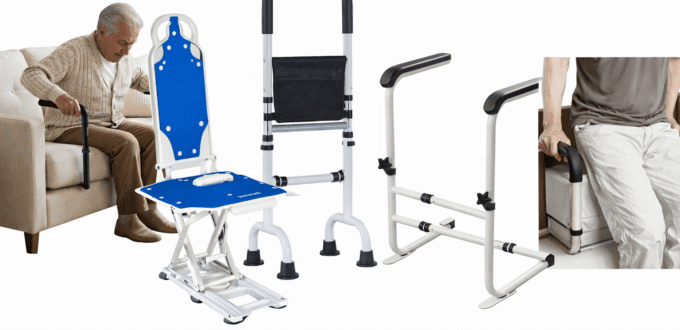
The meaning of mobility devices goes beyond the idea of medical equipment. Mobility devices are tools designed to reduce risk, preserve independence, and bridge the gap between full physical ability and the limitations that come with aging, illness, or injury. Their real purpose is not just movement, but safety, confidence, and continuity of daily life.
Most people think of mobility devices as walkers or wheelchairs. While those are common examples, mobility devices include a much wider range of support tools. Any device that helps a person stand, walk, transfer, or maintain balance safely can be considered a mobility device. This includes canes, rollators, stand-assist handles, bed rails, shower chairs, grab bars, raised toilet seats, and car assist aids.
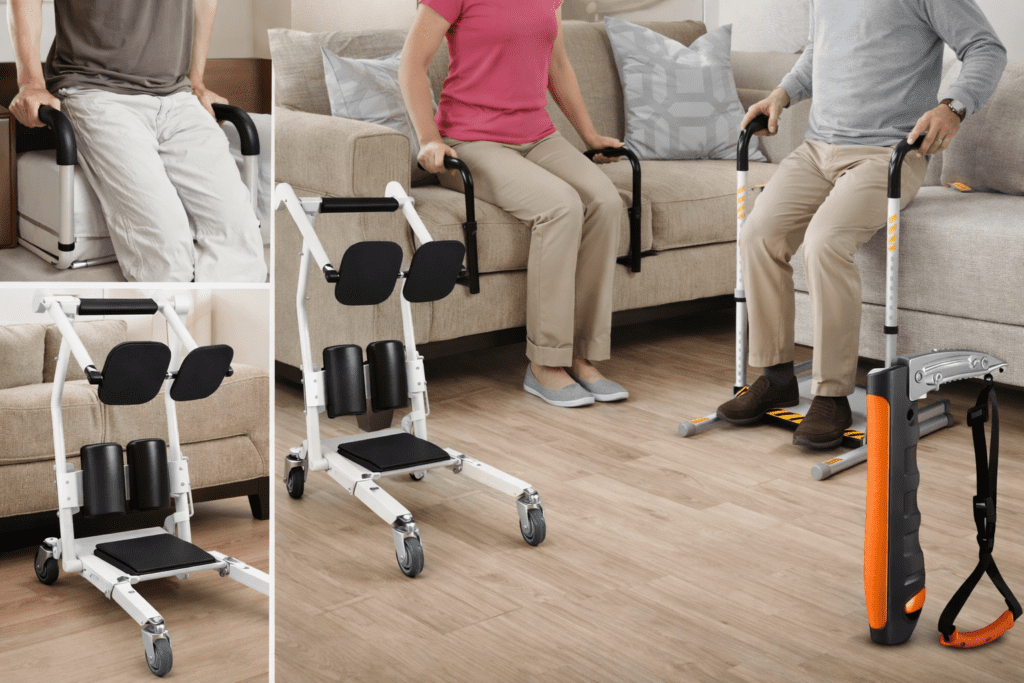
What makes a device a mobility device is not where it is used, but when it is used. Mobility devices come into play at moments when the body is most vulnerable. Standing up from a chair, stepping into a shower, getting out of bed, or walking across uneven surfaces are situations where balance and strength are tested. A mobility device supports the body during those exact moments.
A key part of the meaning of mobility devices is fall prevention. Falls are one of the most common causes of serious injury among older adults. Many of these falls happen during routine activities, not emergencies. Mobility devices reduce the likelihood of falls by providing stability, leverage, and controlled movement. In many cases, they prevent injuries before they happen rather than reacting afterward.
Another overlooked aspect of mobility devices is how they support independence. Using a mobility aid does not mean someone has lost the ability to care for themselves. In fact, the opposite is often true. The right device allows a person to continue performing daily tasks on their own, safely, and with dignity. This is especially important for individuals who want to remain in their homes as they age.
Mobility devices are also closely tied to home care planning. In New York, mobility limitations are often part of the assessment process for personal care assistance and other home care programs. Devices alone may not be enough when daily activities become difficult, but they often work hand in hand with caregiving support to reduce strain and improve outcomes.
The meaning of mobility devices is not static. Needs change over time, and the right device today may not be the right one tomorrow. Regular reassessment is important as physical abilities evolve. What matters most is choosing devices that match the individual’s current needs and living environment.
Understanding mobility devices early helps families act before a crisis occurs. When mobility support is introduced at the right time, it can prevent injuries, delay the need for higher levels of care, and improve overall quality of life.
If you are caring for a loved one in New York and mobility challenges are becoming part of daily life, it may also be time to explore care and support options. Guidance can help families make informed decisions before safety becomes an urgent concern.
Explore practical mobility and home safety devices here:
View mobility devices on Amazon
If you need help understanding home care options or eligibility in New York, you can reach out here:
https://familycaregiverny.com/contact/