

Getting a mobility scooter for free is not about finding a giveaway. In most cases, it means getting a scooter covered by insurance or assistance programs because it is medically necessary. Understanding how decision-makers evaluate need is the fastest way to avoid denial and wasted time. The starting point is not the scooter. It is […]
What Conditions Qualify for a Mobility Scooter?

Qualifying for a mobility scooter is not based on a diagnosis alone. What matters most is how a medical condition affects a person’s ability to move safely and consistently during everyday activities, especially inside the home. This distinction is often misunderstood and leads many people to assume they qualify when they do not, or overlook […]
How Long Does It Take to Get Approved for a Mobility Scooter?

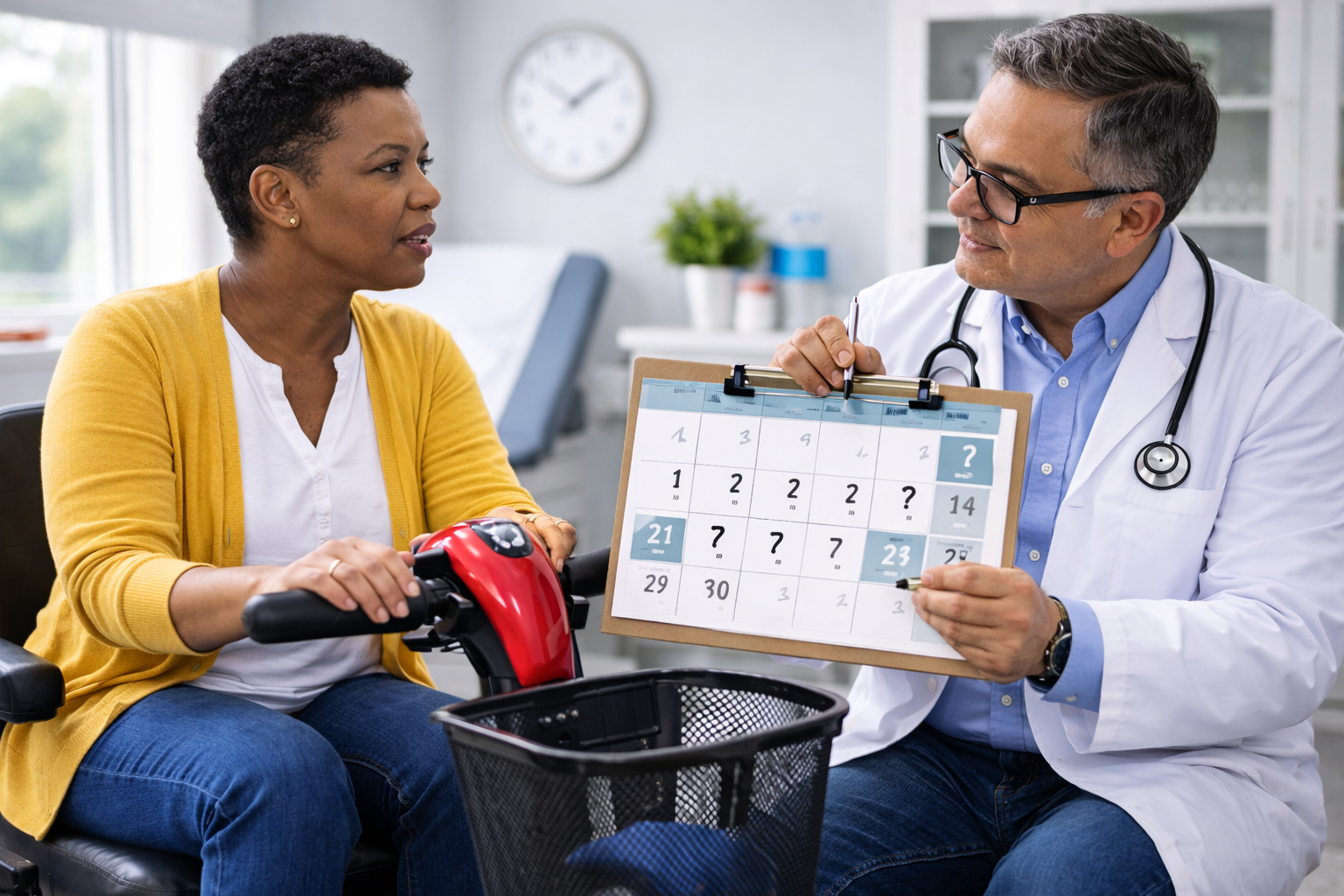
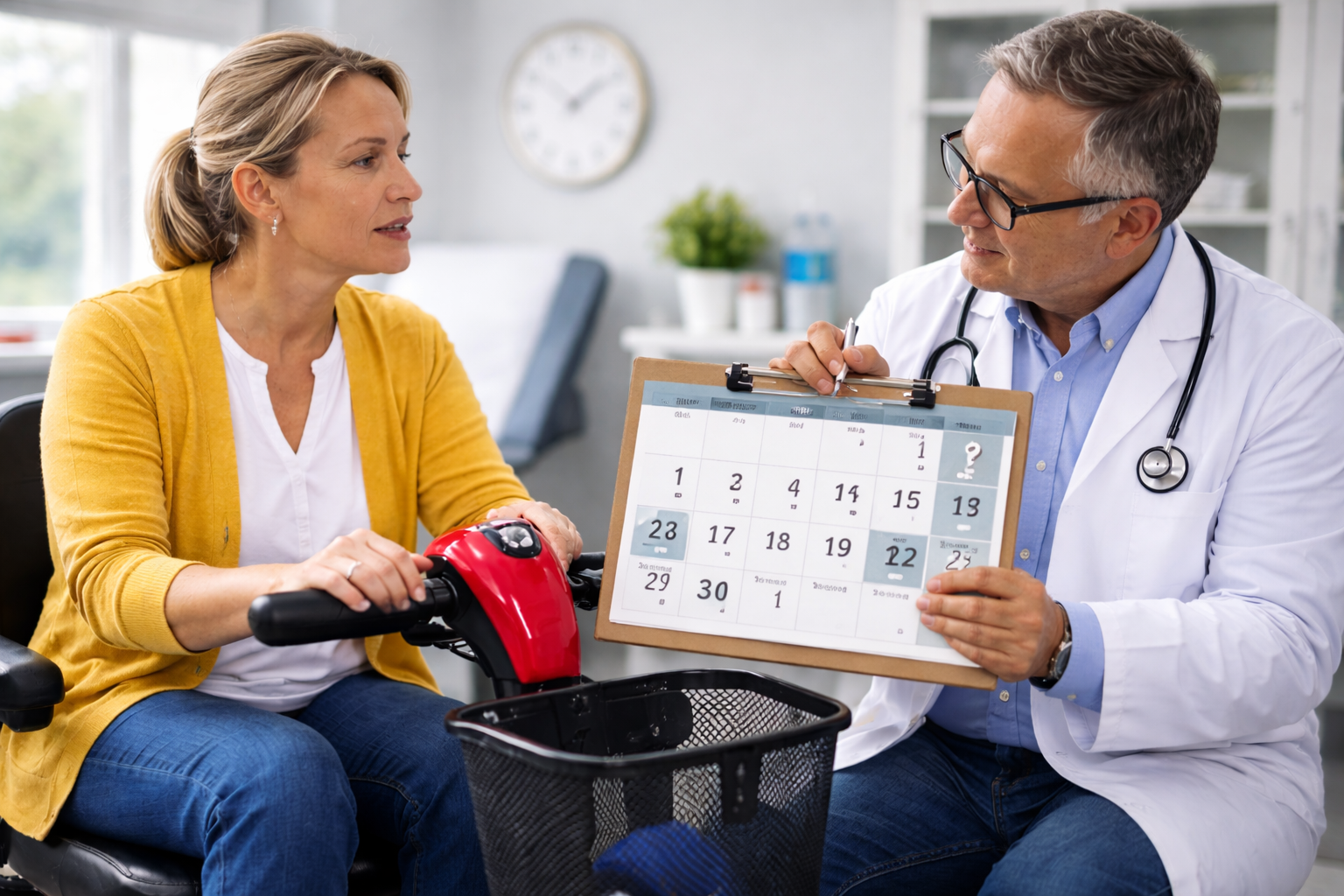
Approval for a mobility scooter is rarely fast, and the timeline depends far more on paperwork and eligibility rules than on medical need alone. For many people, delays happen not because they don’t qualify, but because the process is misunderstood from the start. The first stage is medical documentation. A physician must confirm that mobility […]
How to Qualify for a Free Mobility Scooter in NYC
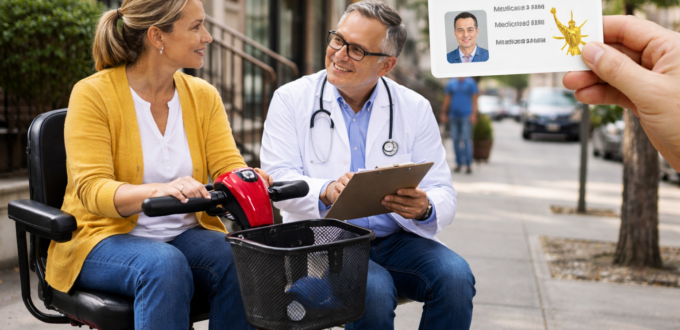
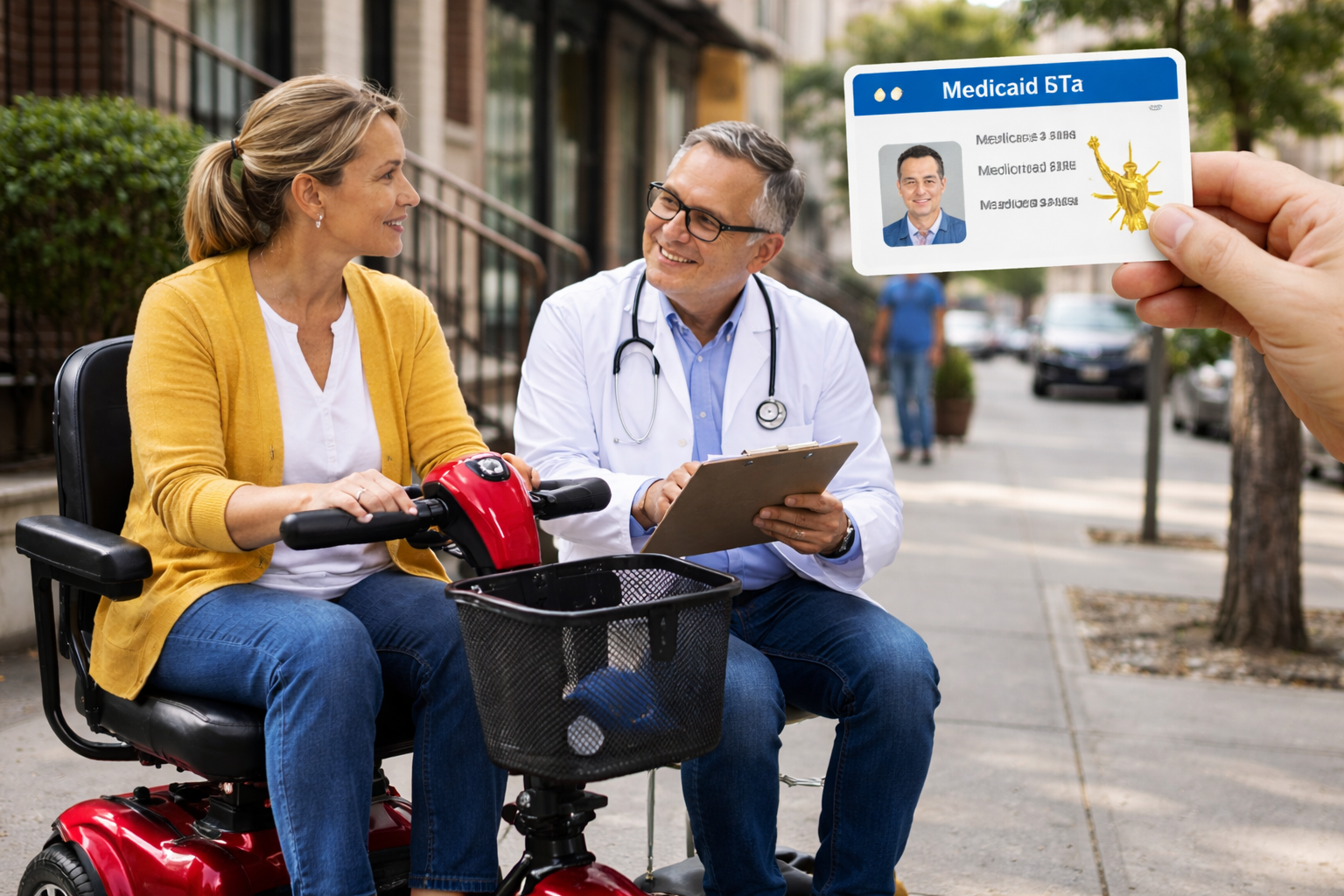
In New York City, qualifying for a free mobility scooter is less about the device itself and more about proving how mobility limitations affect daily life inside the home. This is where many people misunderstand the process and get denied. The primary pathway to a free mobility scooter in NYC is through Medicaid coverage, not […]
What Can I Get for Free If I’m Disabled?
When people search for what they can get for free if they’re disabled, they’re often expecting a list of free products or cash benefits. In reality, most free support comes in the form of services, access, and legal protections, not unlimited equipment or direct payments. Understanding this distinction helps set realistic expectations and prevents frustration. […]
How to Get Prescribed a Mobility Scooter?

Getting prescribed a mobility scooter is not about asking for a specific device. It is about proving medical necessity based on how mobility limitations affect daily life inside the home. This distinction is where most people get stuck. A prescription for a mobility scooter starts with a medical evaluation, usually by a primary care physician […]
What Can I Get for Free If I’m Disabled?

When people search for what they can get for free if they’re disabled, they’re often expecting a list of products or cash benefits. In reality, most free support comes in the form of services, protections, and access, not unlimited equipment or direct payments. Understanding what is truly free helps set realistic expectations and prevents wasted […]
What Benefits Do Disabled People Get in NYC?
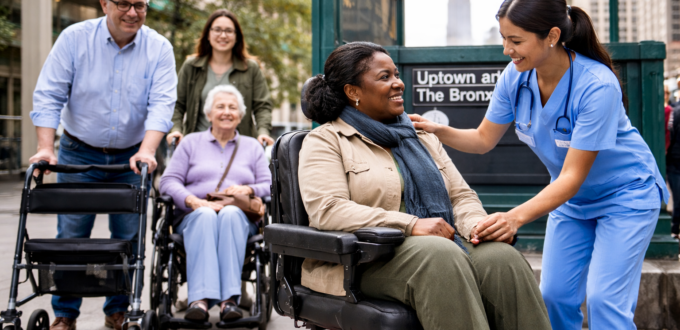
New York City offers a wide range of benefits for people with disabilities, but they are rarely delivered through a single program or application. Instead, support in NYC is spread across healthcare, transportation, housing, and in-home assistance systems. Understanding how these benefits work together is often more important than knowing any single benefit in isolation. […]
How to Get Around NYC With Limited Mobility?
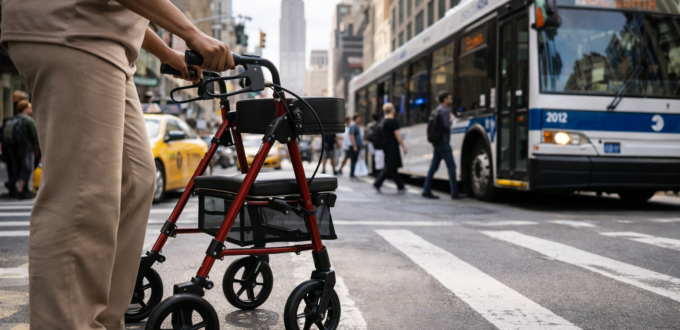
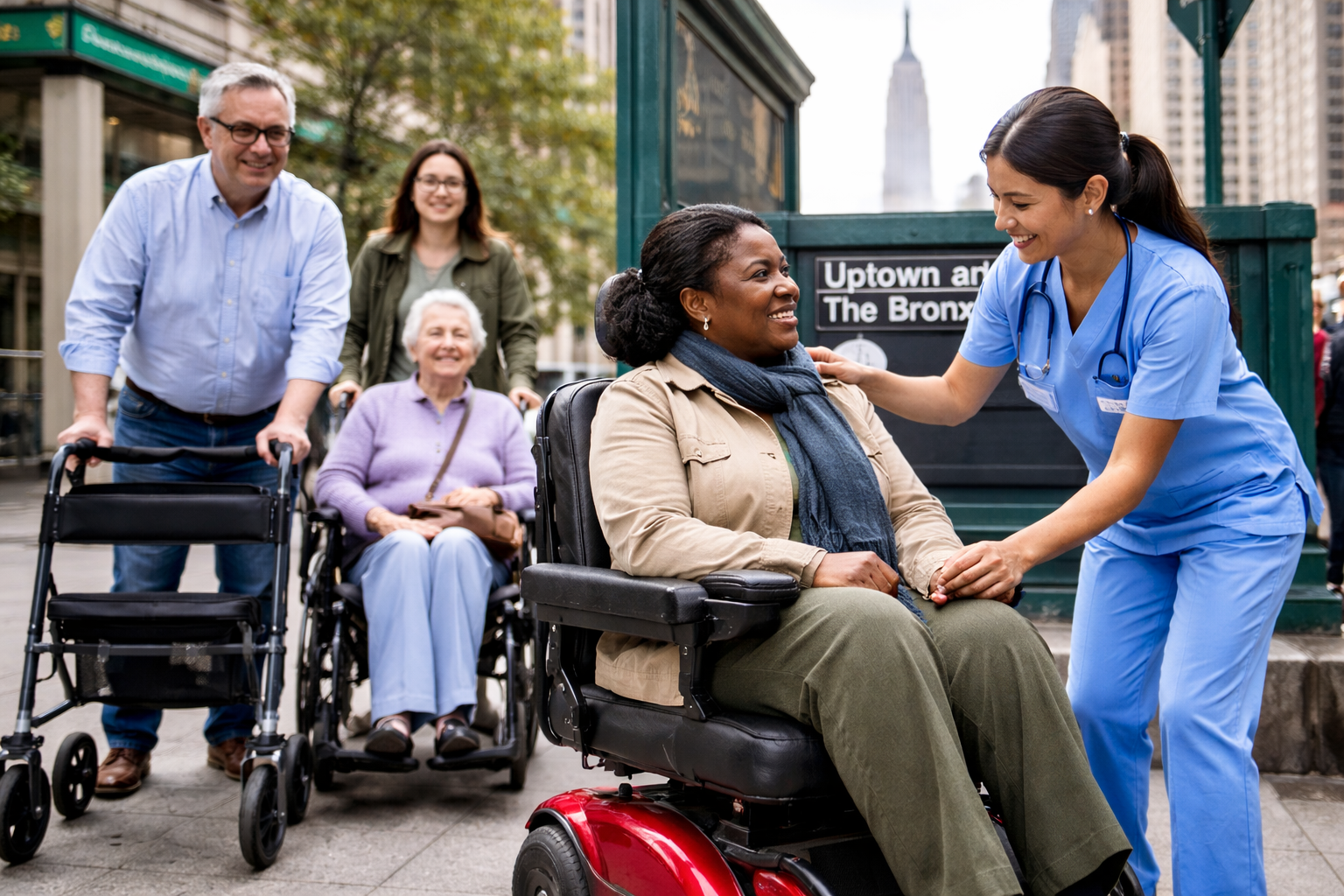
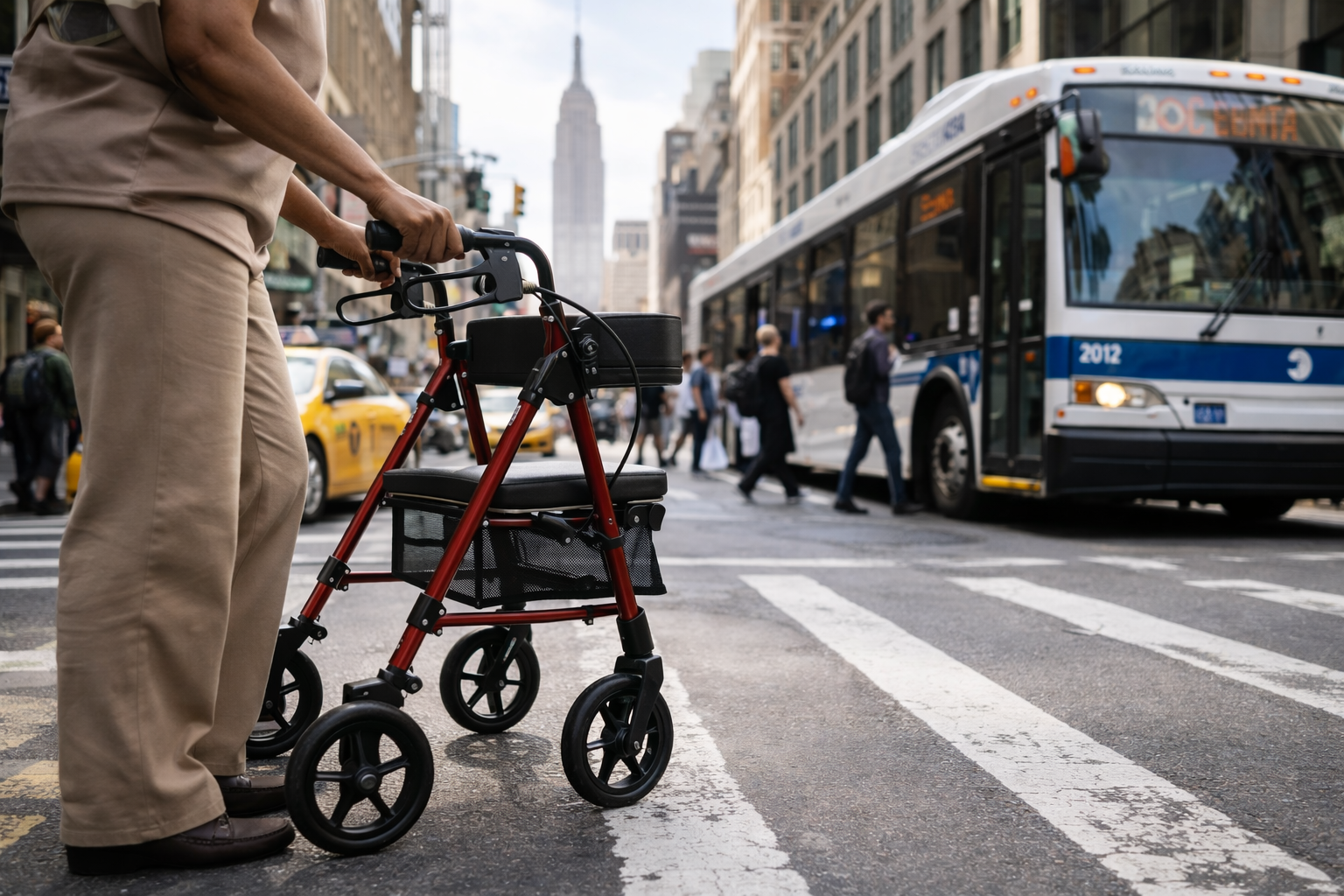
Getting around New York City with limited mobility is challenging, but it is far from impossible. The key is understanding how the city’s transportation system, sidewalks, buildings, and support tools actually work in real life, not how they are supposed to work on paper. One of the most significant advantages of NYC is its density. […]
What Devices Help People With Disabilities?
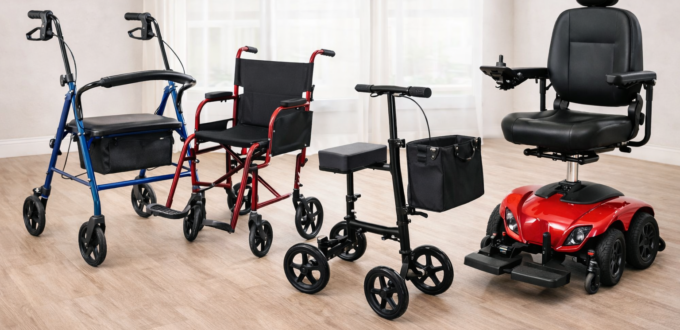




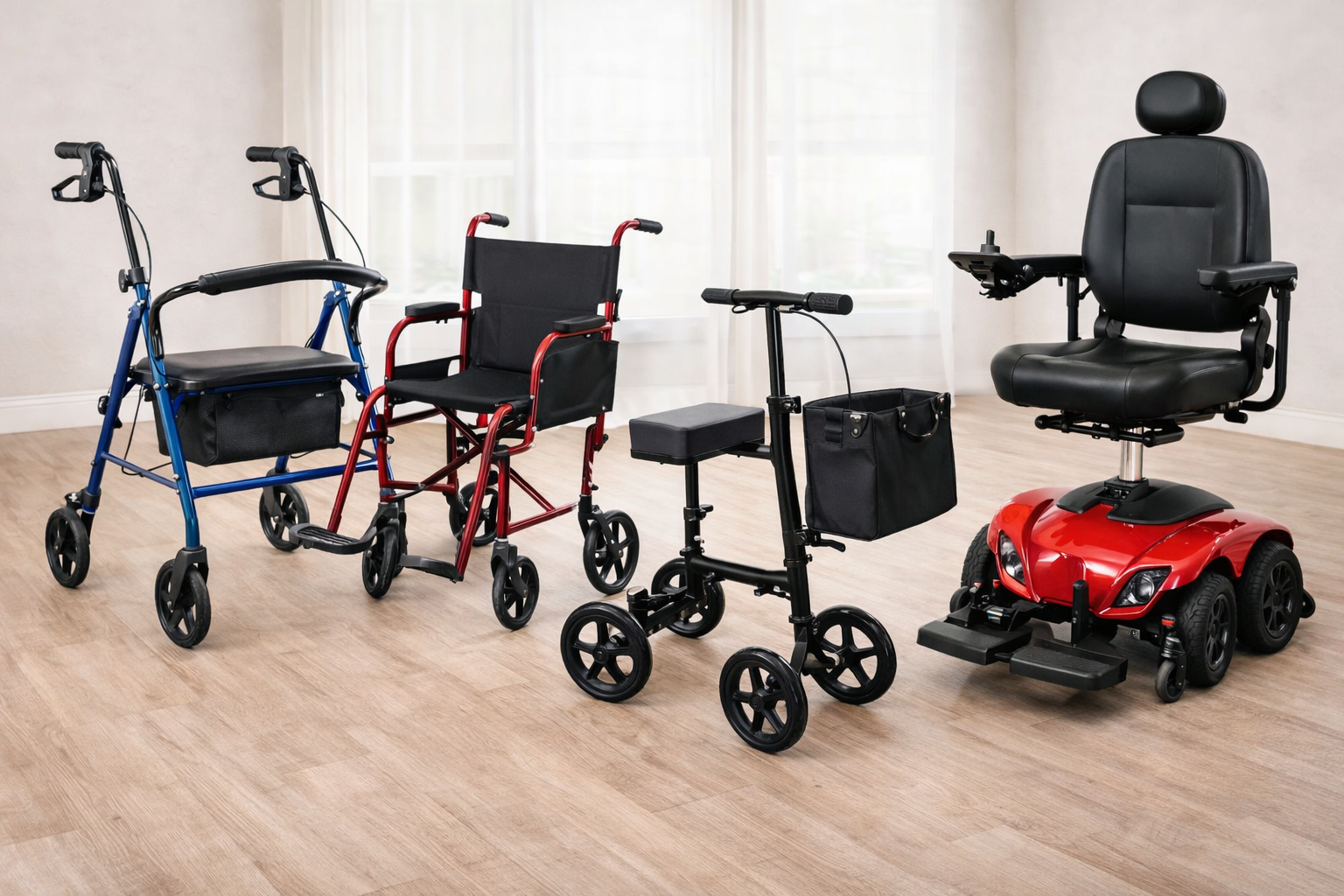
Devices that help people with disabilities are often described as tools that improve mobility, safety, or independence. But the real value of these devices is not in what they are called, it is in when they are used and what problem they solve during everyday life. For many people with disabilities, the biggest challenges do […]