
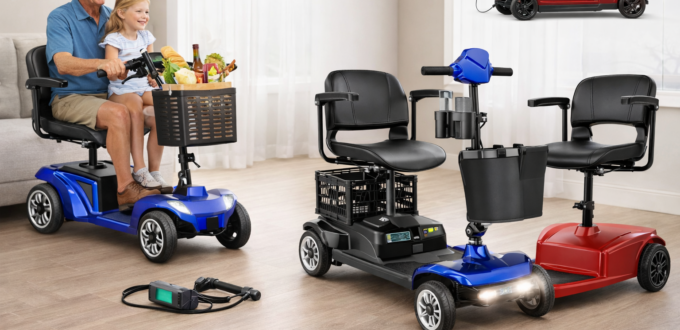
Many people search for a “free mobility scooter” assuming there is a simple government or insurance giveaway program. In reality, eligibility for a free mobility scooter depends on a combination of medical necessity, insurance rules, and how the device is classified. Understanding these factors helps families avoid wasted time and false expectations.
A mobility scooter is considered durable medical equipment, not a general mobility aid. That distinction matters. Insurance programs only cover devices when they are medically necessary for daily function inside the home, not for convenience, outdoor use, or long-distance mobility. Most scooters are designed for extended movement and outdoor use, which is why they are rarely covered at no cost.
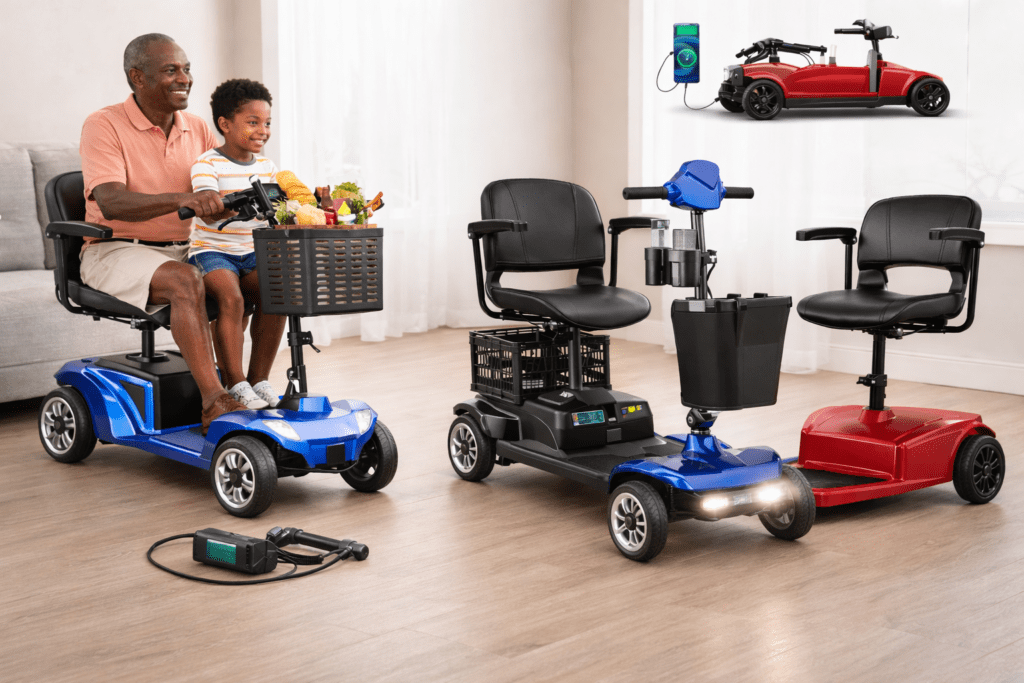
In the United States, Medicare does not typically provide mobility scooters for free. Even when a scooter is approved, Medicare usually requires documentation from a physician, a face-to-face evaluation, and proof that the individual cannot safely move around their home using simpler devices such as a walker or manual wheelchair. When coverage is approved, there is still often a cost-sharing requirement rather than full coverage.
Medicaid rules vary by state and are often misunderstood. In New York, Medicaid coverage focuses on medical necessity and safety within the home. Scooters are rarely approved because they are not considered appropriate for indoor mobility in most housing environments. Instead, Medicaid tends to support services and assistance rather than expensive equipment that may not address daily care needs.
Some people qualify for mobility equipment through veterans’ benefits, workers’ compensation, or injury-related settlements, but these programs have strict eligibility rules tied to service-related injuries or documented accidents. Charitable organizations and nonprofit programs sometimes provide donated scooters, but availability is limited and typically based on financial hardship and community resources rather than guaranteed eligibility.
What many families discover is that the real support comes not from a free scooter, but from a combination of safer mobility aids and personal care assistance. Devices such as walkers, rollators, stand-assist tools, and transfer aids are more commonly used and better aligned with home safety. When mobility limitations affect daily living, in-home care services often provide more meaningful support than a single piece of equipment.
If someone is struggling to move safely at home, the first step should be a proper medical and functional assessment rather than searching for a free device. Understanding what assistance is actually available can prevent delays and reduce the risk of injury.
For families exploring mobility solutions, practical mobility aids are often the most realistic option.
You can explore mobility scooters and mobility aids here:
View mobility scooters on Amazon
If you’re caring for a loved one in New York and mobility challenges are affecting daily activities, you may also want to explore home care support options. For guidance on eligibility and next steps, you can reach out here:
https://familycaregiverny.com/contact/