

Qualifying for a mobility scooter is not based on a diagnosis alone. What matters most is how a medical condition affects a person’s ability to move safely and consistently during everyday activities, especially inside the home. This distinction is often misunderstood and leads many people to assume they qualify when they do not, or overlook eligibility when they actually might.
Conditions that may qualify for a mobility scooter generally fall into categories that involve endurance loss, balance instability, or severe lower-body weakness. These include progressive neurological conditions, advanced arthritis, cardiopulmonary diseases that cause rapid fatigue, and musculoskeletal disorders that limit walking distance or standing time. However, having one of these conditions is not enough on its own.
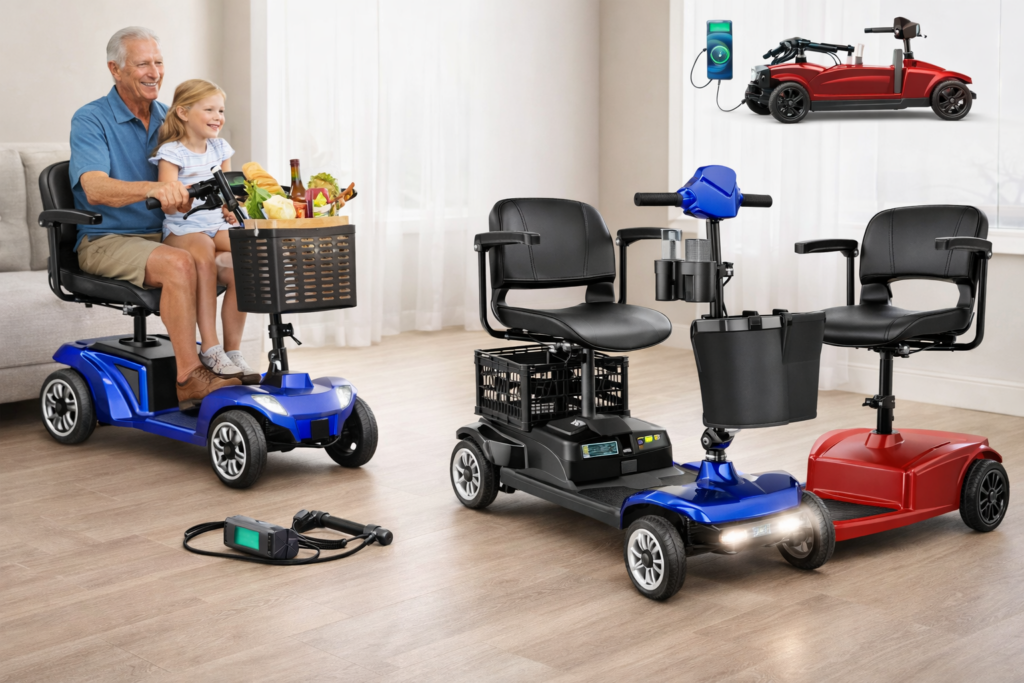
The key factor is functional limitation. Medical providers and insurers evaluate whether the condition prevents a person from safely moving between rooms, accessing the bathroom, preparing food, or performing other essential daily activities without powered assistance. If a person can reasonably manage these tasks using a cane, walker, or manual wheelchair, a scooter is usually not considered medically necessary.
Another overlooked requirement is upper-body and cognitive ability. To qualify, an individual must be able to safely operate the scooter, understand controls, and respond to environmental hazards. Conditions that significantly impair cognition, vision, or coordination may actually disqualify someone from scooter use, even if mobility is limited.
The home environment also plays a role. Conditions may technically qualify, but narrow hallways, stairs, or a lack of turning space can prevent approval because the scooter cannot be safely used where it is medically required. In these cases, providers often recommend alternative mobility aids or in-home support instead.
Chronic conditions that fluctuate can also complicate qualification. Someone with variable symptoms may struggle to meet strict criteria during an evaluation, even if mobility is poor on many days. This is why detailed medical documentation and functional assessments are critical.
In practice, many people who meet medical criteria still face delays or denials. As a result, families often rely on a combination of mobility aids and support services rather than waiting for approval tied to a single diagnosis.
Understanding qualification criteria early helps people focus on realistic solutions and reduces the risk of injury while navigating long approval processes.
If you’re caring for a loved one in New York and a medical condition is affecting safe movement at home, it may also be time to explore home care options. For guidance on eligibility and next steps, you can reach out here:
https://familycaregiverny.com/contact/