If someone in your family has a developmental disability, you may have heard that OPWDD can help pay for services. The next question is usually: What does OPWDD actually cover? The answer goes far beyond basic Home Care. New York’s Office for People With Developmental Disabilities supports a broad range of services designed to help […]
How to Get a Child with a Developmental Disability Approved for Home Care in New York
If you are raising a child with a developmental disability in New York, you are likely already doing far more than most people realize. The therapy appointments, the school meetings, the paperwork, the advocacy, the daily caregiving that does not stop when the school day ends. And somewhere in the middle of all of that, […]
What Is the Difference Between PCA and HHA in New York?

If you have been trying to figure out how to get home care for a loved one in New York, you have probably come across two terms more than any others. PCA and HHA. Personal Care Aide and Home Health Aide. A lot of families assume they are the same thing with different names. They […]
Can a Mother Get Paid to Care for Her Child with a Developmental Disability in New York?
If you are a mother caring for a child with a developmental disability, you already know what the days look like. You are not just a parent. You are a scheduler, an advocate, a therapist’s assistant, a crisis manager, and the one person your child trusts completely. You do this every single day, often without […]
OPWDD Home Care in New York

OPWDD supports eligible children and adults with developmental disabilities who need ongoing assistance at home and in the community. These services may help with personal care, supervision, safety, communication, daily routines, skill development, and greater independence. OPWDD stands for the Office for People With Developmental Disabilities. It is a New York State agency responsible for […]
What Qualifies as a Developmental Disability

A developmental disability is a condition that begins in childhood and affects how a person learns, communicates, moves, or manages daily life over the long term. These disabilities are not temporary and typically continue into adulthood, often requiring ongoing support through structured Home Care services and specialized programs. In New York, developmental disabilities are commonly […]
What approval really means for Home Care and OPWDD support

Approval means the patient has met the basic eligibility requirements for Home Care or services through the Office for People With Developmental Disabilities (OPWDD). It confirms that an assessment showed a qualifying level of need and that the program has authorized specific services. What it does not mean is that care begins automatically or that […]
Who Can Be a Paid Family Caregiver Under OPWDD Home Care Program?

Under the Office for People With Developmental Disabilities (OPWDD) Home Care program, paid caregivers are often family members, but not all relationships are treated the same. In many cases, siblings, adult relatives, extended family members, and trusted non-family caregivers may qualify to provide care if they meet program requirements. This flexibility is one of the […]
How Can I Find Affordable Respite Care Options for Family Caregivers in New York City?
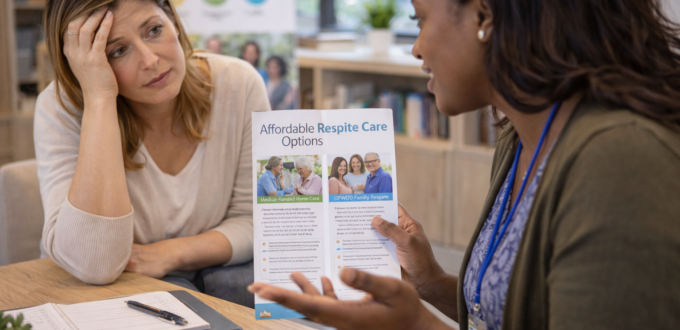
Most family caregivers in NYC don’t search for respite care because they want a break. They search because they are at a breaking point. The problem is that affordable respite care in New York City is not advertised clearly, and families often assume it is private-pay only. In reality, many respite care options are tied […]
What Are the Best In-Home Home Care Services for Family Caregivers in NYC?

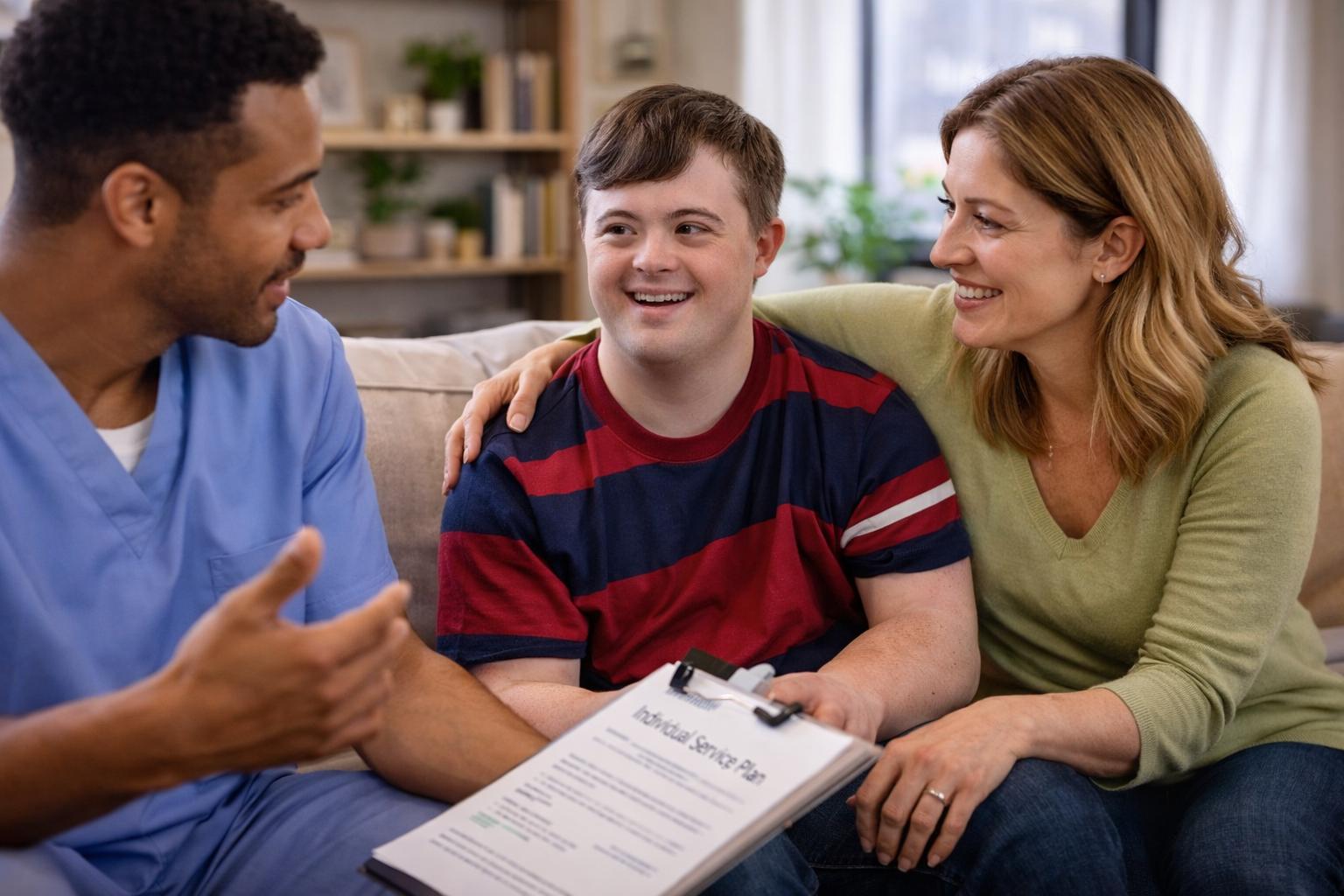

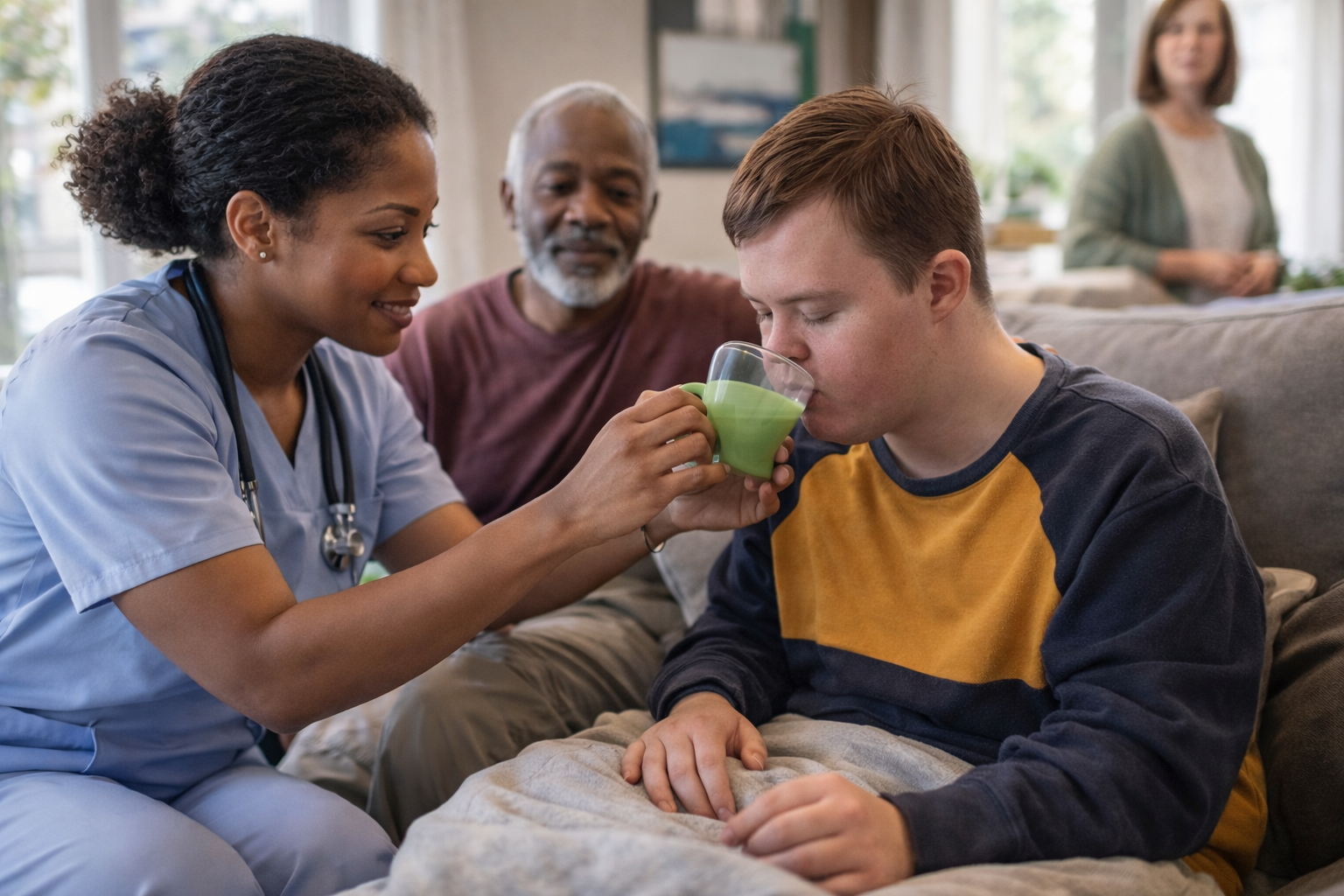

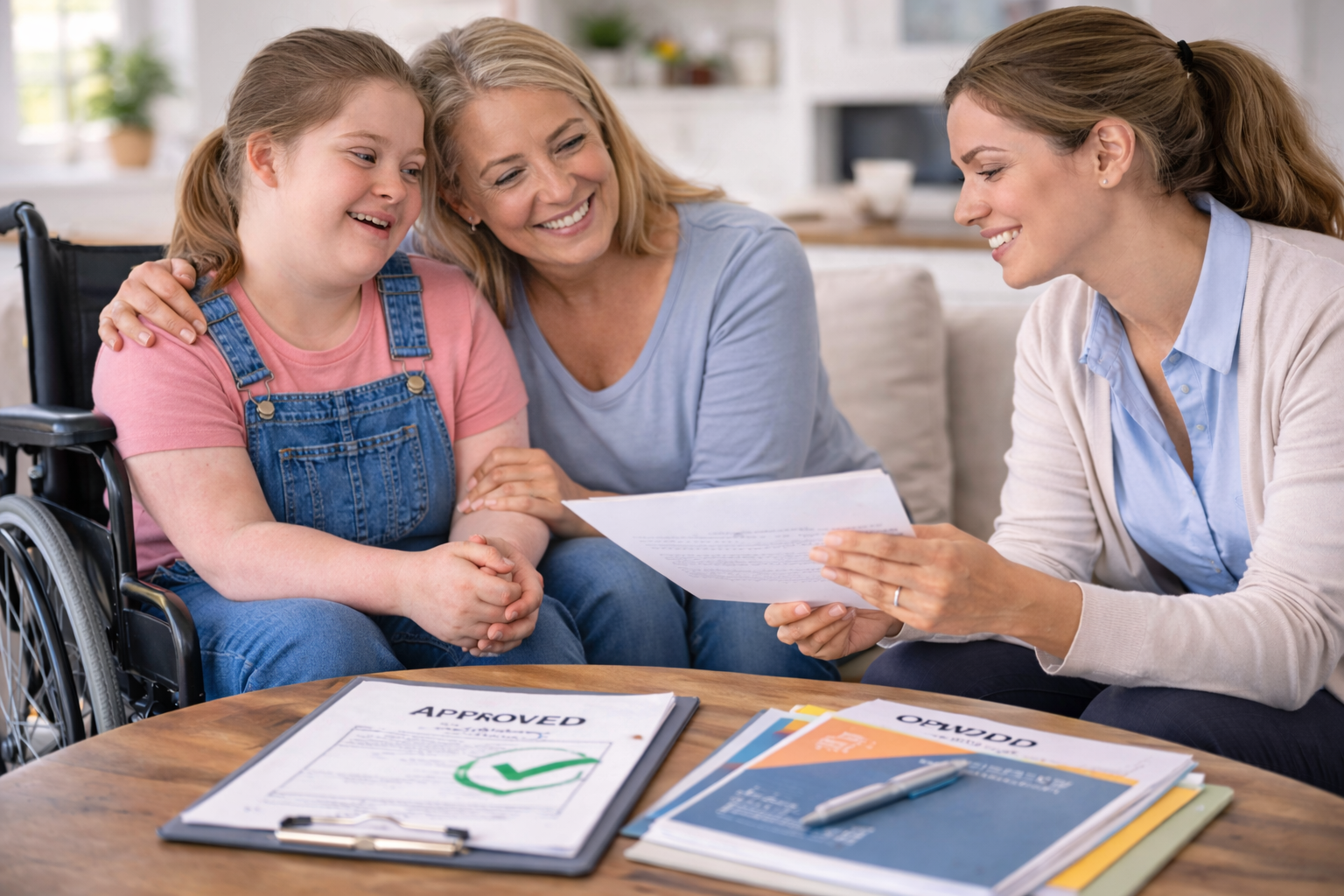

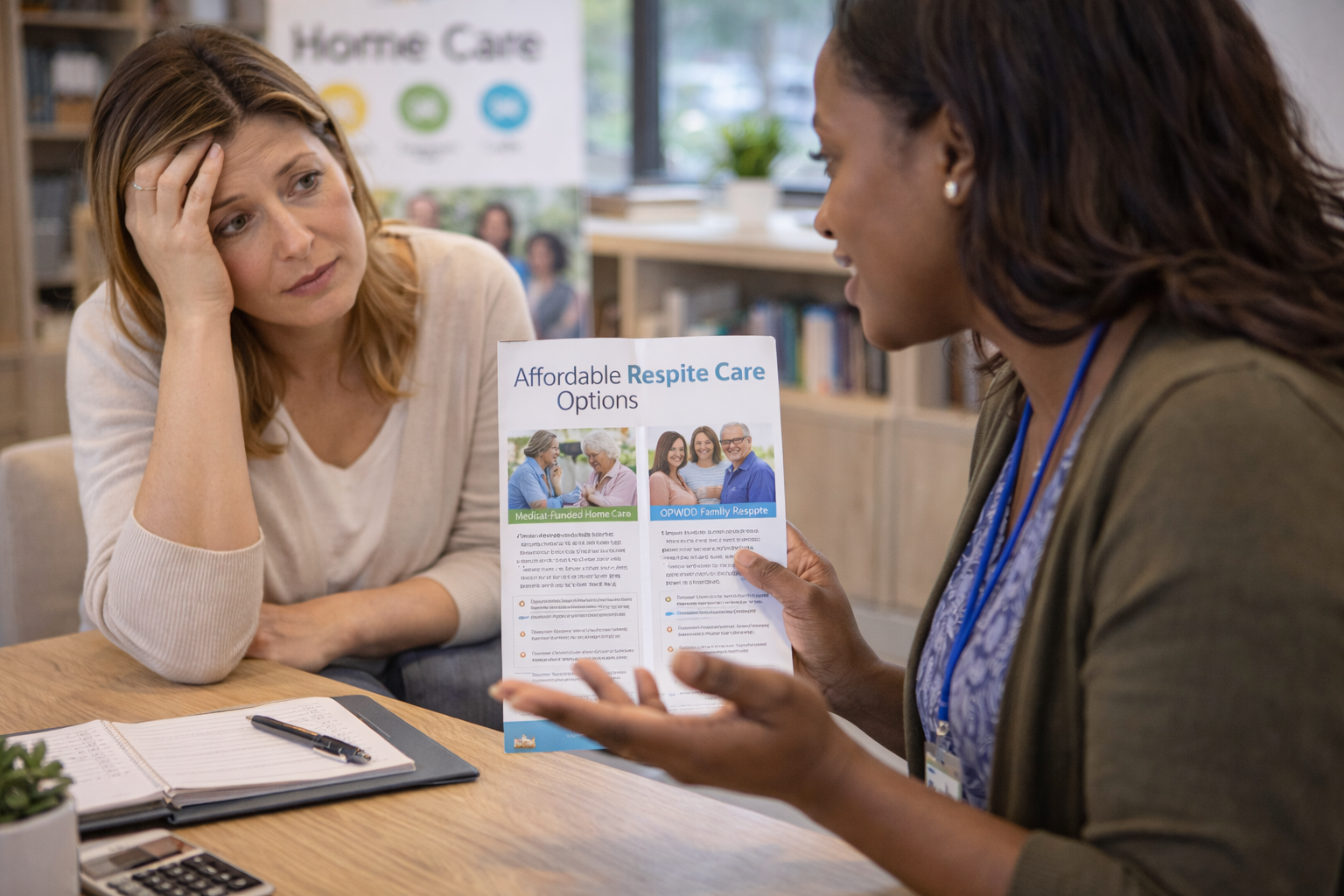

When families search for the “best in-home Home Care services” in NYC, they’re usually not looking for luxury or brand names. They’re looking for relief, reliability, and a system that actually works when family caregiving becomes unsustainable. The problem is that in New York City, “best” does not mean most advertised. It means most appropriate […]