Family caregivers in New York City are often managing more than just care. They are coordinating medical appointments, Home Care visits, medications, work schedules, and family responsibilities, all in one of the most demanding cities in the country. While many people search for “caregiver apps,” very few understand which tools actually work within NYC’s Home Care and Medicaid reality.
The most effective apps are not flashy marketplaces. They are coordination tools that reduce mistakes, missed visits, and caregiver burnout.
Many national caregiving apps are built for private-pay situations. They assume families can freely schedule aides, change hours, or hire independently. In NYC, most families rely on Medicaid-funded Home Care, where schedules, authorized hours, and agency coordination matter.
That means the best apps are not those that “hire caregivers,” but those that help families manage what is already authorized.
Shared calendar apps such as Google Calendar or Cozi are widely used by NYC family caregivers because they allow multiple family members to track Home Care aide schedules, medical appointments, and therapy visits in one place. Their strength is simplicity. They reduce miscommunication when multiple relatives are involved.
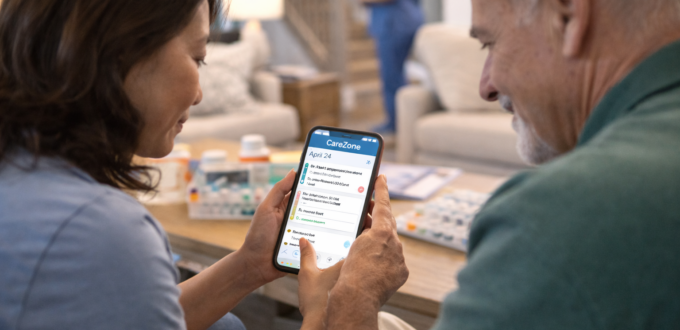
Care coordination apps like CareZone or Lotsa Helping Hands are also popular because they combine scheduling with task reminders, medication tracking, and notes. These apps are especially useful when Home Care is combined with family-provided care.
What makes these tools effective in NYC is not advanced features, but visibility and accountability. Everyone knows who is coming, when, and what is expected.
Some families use agency-provided portals or apps offered by licensed Home Care agencies. These platforms may allow families to view schedules, confirm visits, or communicate with coordinators. While not always user-friendly, they are often the most accurate reflection of authorized Home Care hours.
These tools matter because in Medicaid Home Care, what is authorized is what gets paid. Apps that align with agency systems reduce disputes and missed coverage.
Medication errors are a major risk in family caregiving. Apps like Medisafe help caregivers track doses, set reminders, and share updates across family members. While not NYC-specific, they are especially valuable when Home Care aides rotate or when multiple caregivers share responsibility.
For families managing complex conditions alongside Home Care, these apps act as a safety net.
Families supporting someone through OPWDD services often use apps for routine tracking, behavior notes, and daily structure rather than time-based scheduling. OPWDD services are not clock-driven like Home Care, so apps that focus on routines and communication tend to work better.
No app can replace eligibility, authorization, or proper Home Care planning. Apps help manage care, but they do not create services or increase hours. Families who rely on apps without understanding Home Care or OPWDD rules often feel organized but still under-supported.
We help families first secure the right Home Care or OPWDD services, then show them how to manage those services efficiently. We guide families on realistic tools that complement Medicaid-funded care instead of fighting it.
When services are approved, we partner only with top, vetted, licensed Home Care and OPWDD agencies, ensuring schedules and communication are structured from the start.
If you’re a family caregiver in NYC trying to manage care schedules more effectively and want guidance that fits the Home Care system you’re actually using, we can help.
You can reach us at
https://familycaregiverny.com/contact