

Getting a free mobility scooter in New York City is possible, but only through specific medical and insurance pathways. There are no city giveaways or instant approvals. In NYC, a mobility scooter is considered durable medical equipment, and it is covered only when strict eligibility rules are met.
For most NYC residents, the only realistic way to get a mobility scooter fully covered is through New York State Medicaid. Medicaid may cover 100 percent of the cost of a mobility scooter when it is medically necessary and properly authorized.
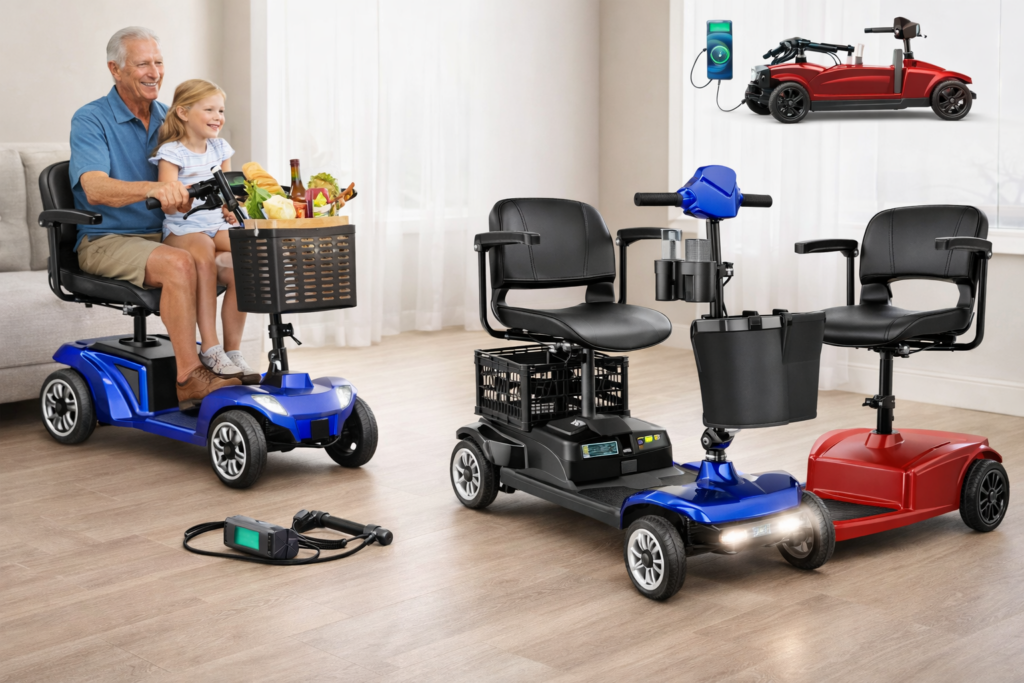
Eligibility depends on three core factors. First, the person must be enrolled in Medicaid. Second, a doctor must document that the individual cannot safely perform essential daily activities without powered mobility. Third, simpler devices such as canes, walkers, or manual wheelchairs must be ruled out as insufficient.
In NYC, Medicaid also recognizes that mobility needs may exist both within the home and for essential community access, such as medical appointments and food. This makes Medicaid more flexible than Medicare, but approval is still based on function, not convenience.
Many seniors and adults with disabilities in NYC are enrolled in Managed Long-Term Care (MLTC) or Medicaid Advantage Plus (MAP) plans. These plans manage scooter requests directly. The process includes physician documentation, a clinical assessment, and plan authorization.
If approved, the scooter is covered in full. If denied, NYC residents have the right to appeal and request a New York State Fair Hearing, where denials are often overturned when medical necessity is properly documented.
Medicare alone offers limited help. Medicare may cover 80 percent of the cost of a mobility scooter only when it is required for in-home mobility. Outdoor use, transportation, or neighborhood mobility does not qualify under Medicare rules. The remaining 20 percent must be paid by the patient or secondary insurance, which is why Medicare alone rarely results in a truly “free” scooter.
NYC apartment layouts can affect approval. Narrow hallways, stairs, or limited turning space may lead insurers to deny a scooter even when mobility is severely limited. Cognitive or safety concerns can also affect approval if the person cannot operate the device safely.
Because approvals can take weeks or months, many families use temporary solutions while waiting.
While insurance decisions are pending, some NYC residents rely on device loan programs, donated equipment, or affordable out-of-pocket options to reduce fall risk and maintain independence.
If you’re in NYC and mobility issues are affecting daily life, understanding whether Medicaid, MLTC, or Medicare applies to you can make a major difference. For help navigating eligibility and next steps, you can reach out here:
https://familycaregiverny.com/contact/