

Social Security does not directly pay for mobility scooters. This is one of the most common misunderstandings around disability benefits. However, Social Security benefits can indirectly help you obtain a mobility scooter through other programs.
To understand how this works, it helps to separate income benefits from.
Social Security Disability Insurance (SSDI) and Supplemental Security Income (SSI) provide monthly cash benefits, not medical equipment. These payments are meant to cover basic living expenses like rent, food, and utilities. Social Security itself does not approve, prescribe, or pay for durable medical equipment such as mobility scooters.
That said, Social Security benefits often serve as a gateway to medical coverage that pays for mobility scooters.
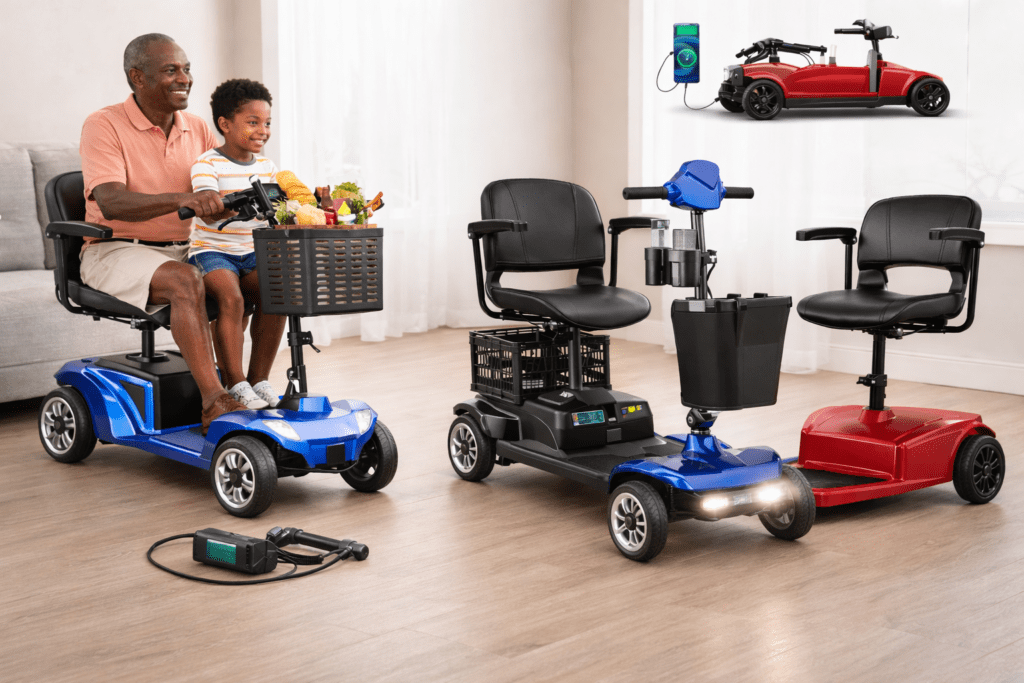
People who receive SSDI typically become eligible for Medicare after a waiting period. Medicare may cover part of the cost of a mobility scooter if strict medical criteria are met. Coverage is limited and usually applies only when the scooter is medically necessary for in-home mobility, not for outdoor or convenience use. Medicare generally pays 80 percent of the approved amount, with the remaining cost paid by the patient or secondary insurance.
People who receive SSI usually qualify for Medicaid, which offers broader coverage in New York. New York Medicaid may cover 100 percent of the cost of a medically necessary mobility scooter when approved. Medicaid focuses on functional need and may recognize both in-home and essential community mobility, depending on the situation.
In New York City, many Medicaid recipients are enrolled in Managed Long-Term Care (MLTC) or Medicaid Advantage Plus (MAP) plans. These plans handle mobility scooter requests directly. Approval depends on physician documentation, functional assessments, and plan authorization. Social Security benefits themselves do not trigger approval, but they often determine eligibility for the Medicaid coverage that does.
It’s important to be clear about limits. Social Security does not:
- Pay directly for scooters or wheelchairs
- Approve medical equipment
- Cover devices based on convenience or lifestyle needs
Approval always depends on medical necessity, safety, and documented functional limitations.
Because insurance approvals can take months and denials are common, many people rely on a combination of coverage, loan programs, and affordable mobility aids while waiting. Social Security income may help support these interim solutions, even if it does not cover the cost of the device itself.
If you’re in New York and receiving Social Security benefits, understanding how those benefits connect to Medicaid, MLTC, or Medicare can make a major difference. If you need help navigating eligibility or next steps for mobility support, you can reach out here:
https://familycaregiverny.com/contact/