

Qualifying conditions for Home Health Care are typically long-term or progressive rather than short-lived. Chronic illnesses that limit strength, balance, endurance, or cognition often meet the criteria when they interfere with everyday tasks. This includes situations in which a patient cannot safely bathe, dress, transfer, walk, or perform basic routines without help. Mobility-related conditions are […]
What Qualifies a Patient for Home Care?

A patient qualifies for Home Care when there is a documented medical and functional need that makes it unsafe or unrealistic to manage daily life independently at home. In New York, Home Care approval is not based on age, convenience, or family preference. It is based on clinical criteria, insurance rules, and formal assessments that […]
How to Get a Referral for Home Care?

Getting a referral for Home Care in New York is not just about asking for help. It is a structured process tied to medical need, insurance rules, and program eligibility. Many families lose weeks because they start in the wrong place or contact agencies that cannot actually move the case forward. Knowing how referrals really […]
Home Health Care Agencies

Home Health Care agencies provide licensed, agency-based Home Care services that allow individuals to remain safely at home while receiving assistance with daily activities and health-related needs. These agencies employ trained aides, manage scheduling, provide clinical oversight, and ensure continuity of care. For many families in New York, working with a licensed Home Health Care […]
Adult Day Care Centers

Adult Day Care Centers provide structured daytime support for adults who need supervision, social engagement, or assistance during the day but continue living at home. These programs are commonly used by seniors and adults with physical, cognitive, or chronic health conditions who benefit from routine, interaction, and a safe environment outside the home. Adult Day […]
Medicare Covered Home Nursing
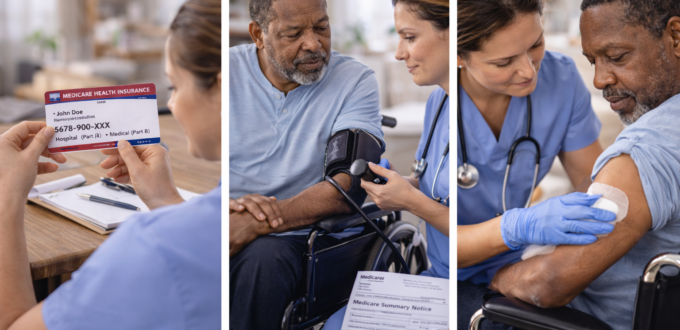
Medicare covered home nursing refers to short-term skilled nursing services provided in a patient’s home when specific medical criteria are met. This type of care is very different from long term Home Care and is often misunderstood by families who assume Medicare will cover ongoing daily support. Under Medicare rules, home nursing is considered skilled […]
What is a Skilled Nursing Visit?

A skilled nursing visit is a short-term, medically focused Home Care service provided by a licensed nurse, usually a registered nurse or licensed practical nurse, in a patient’s home. Unlike ongoing Home Care aide services, skilled nursing visits are designed to address specific clinical needs rather than provide daily personal assistance. The keyword is skilled. […]
What is a Functional Nursing Assessment?

A functional nursing assessment is a clinical evaluation used to determine whether a patient qualifies for Home Care and what level of support is medically necessary. It focuses on how a person functions in daily life, not just on diagnoses or medical history. During a functional nursing assessment, a licensed nurse evaluates the patient’s ability […]
What is Coverage Eligibility?

Coverage eligibility refers to whether a patient’s insurance plan will pay for Home Care services and, if so, under what conditions those services can be authorized. It is one of the most important factors in determining whether Home Care moves forward or stalls. In New York, most Home Care is funded through Medicaid or Medicaid […]
Home Care Applications






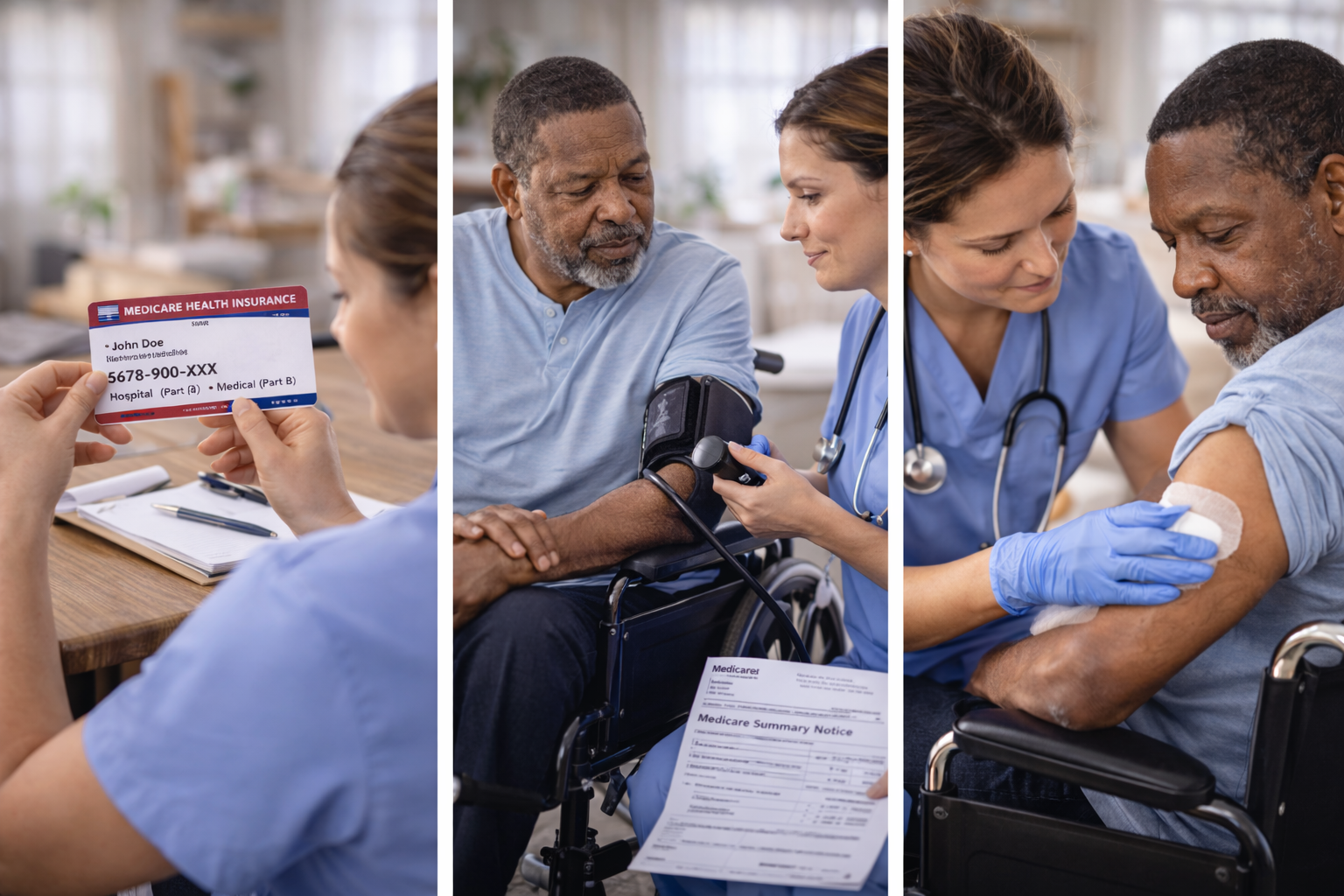


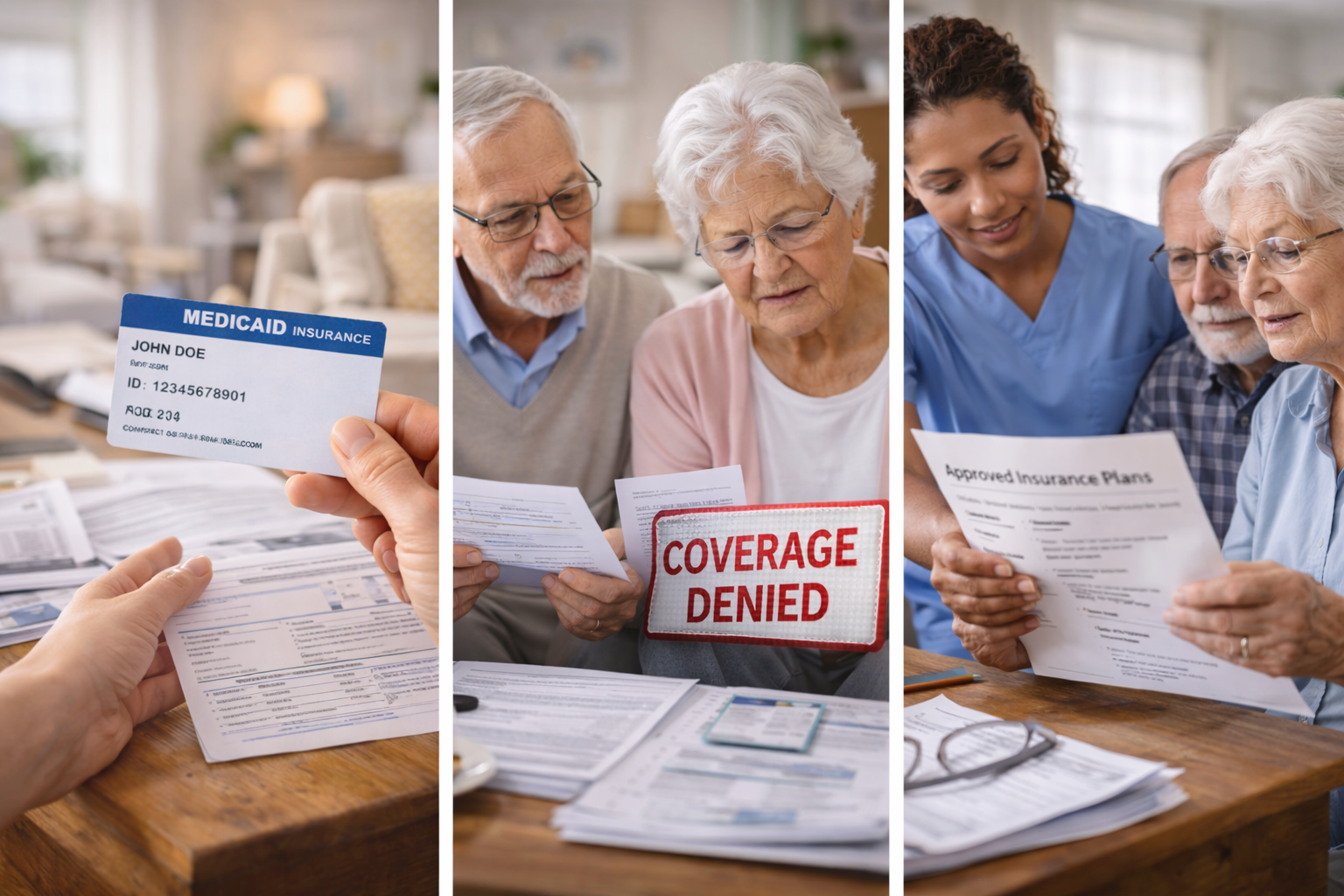
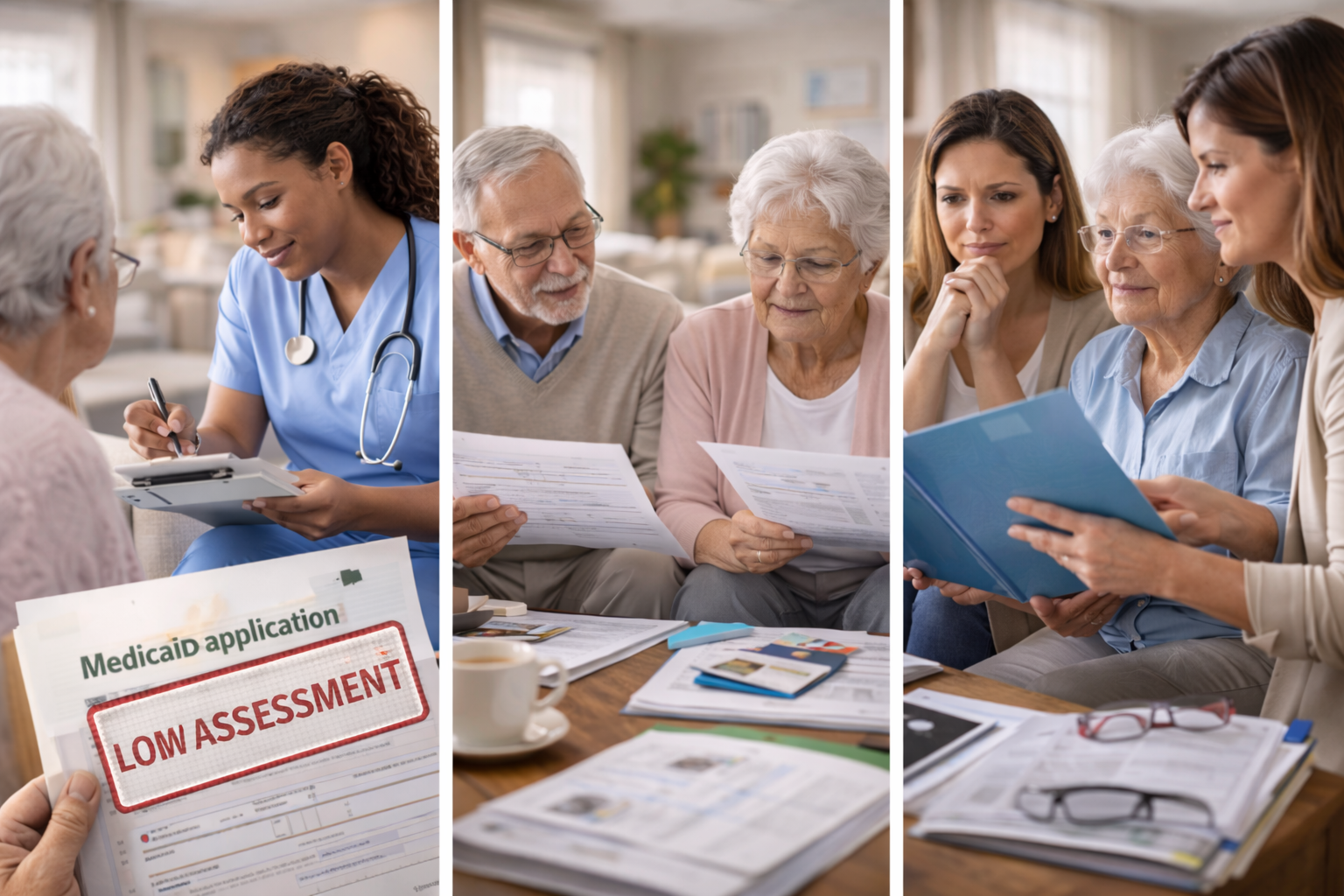
Home Care applications are the formal process used to determine whether a patient qualifies for in-home support through Medicaid-funded Home Care programs. While many families assume applying is straightforward, Home Care applications follow strict rules, assessments, and documentation standards that directly affect approval outcomes. A Home Care application starts with establishing medical and functional needs. […]