
New York City offers one of the largest home care systems in the country. Still, most families only discover this when a loved one begins struggling with daily tasks like bathing, walking safely, preparing meals, or remembering medications. Searching online for “types of home care services” usually yields dozens of agency names, but in NYC, the actual structure of home care is built around Medicaid programs. Understanding these programs is essential because they determine which services a senior can receive, how many hours of care they qualify for, and whether a trusted person can serve as a caregiver.
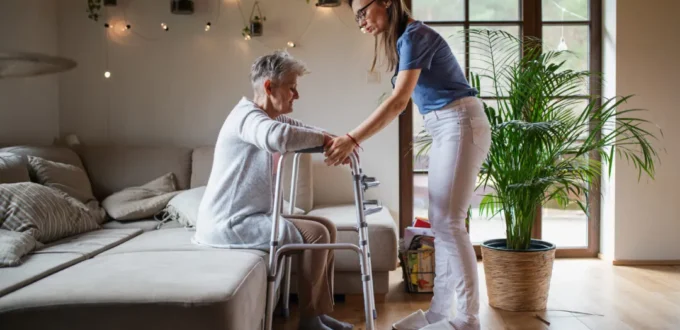
The most common service for seniors is Personal Care Assistance (PCA). This program provides hands-on support with activities of daily living, including bathing, dressing, grooming, toileting, mobility assistance, cooking, and housekeeping tasks related to the patient’s health and safety. PCA services are covered by Medicaid and delivered by licensed home care aides who are trained and supervised by an agency. For many seniors, PCA is the backbone of staying at home safely because it addresses the real tasks they struggle with day to day.
A significant benefit of PCA in New York is that certain relatives may become the caregiver if they qualify, complete training, and are hired by the agency. Seniors who prefer someone familiar in their home often choose this pathway because it blends professional oversight with the comfort of a trusted caregiver. When families want consistent, reliable support, PCA is among the strongest care options in the city.
Some families hear about CDPAP, which allows a patient to select their caregiver, including children in many cases. CDPAP offers greater flexibility than PCA regarding who can provide care, but it is not always the right program for long-term daily support. Adult children often have full-time responsibilities or are unable to be physically present every day. Many families eventually shift toward PCA because it offers stable scheduling, agency supervision, and the ability to assign a trained caregiver when a family member cannot provide all hours.
Another major category of care in New York is home care for individuals with developmental disabilities. These services fall under the OPWDD system, which is structured completely differently from senior care. OPWDD focuses on long-term support, daily living skills, community involvement, and personal safety. Instead of simply providing an aide, OPWDD programs are designed to help individuals live more independently while still receiving the support they need. For adults with lifelong disabilities, this system offers far more comprehensive assistance than typical home care agencies, making it the appropriate pathway when a developmental disability is documented.
Many seniors also receive home health services, which are medical rather than personal care–based. These services include nursing visits, physical therapy, occupational therapy, and wound care, usually after a hospitalization or rehabilitation stay. Home health is short-term and ordered by a doctor. It is not the same as long-term home care and does not replace daily assistance, such as bathing or mobility help. Families often confuse the two, expecting medical home health services to include personal care, but NYC treats them as separate programs with different rules and schedules.
One of the most essential parts of NYC home care is the assessment process. A nurse evaluates the patient to determine their needs and the number of care hours Medicaid will authorize. This assessment is critical because it directly affects the level of support available. A senior who struggles with balance, cannot shower safely alone, or requires help preparing meals should have these issues fully documented to ensure they receive the appropriate level of care. Underreporting needs often leads to fewer hours than the senior requires.
Additional support services include respite care, community habilitation for OPWDD participants, and specific nursing supports, depending on the individual’s condition. These services complement PCA or OPWDD care but do not replace the daily assistance provided by Medicaid-funded home care.
The variety of home care services in New York City can feel overwhelming, but choosing the right one depends on the senior’s age, diagnosis, level of daily need, and Medicaid eligibility. PCA remains the primary pathway for long-term hands-on assistance. OPWDD is the right program when a developmental disability is involved. Medical home health is temporary and not designed for everyday care. And while CDPAP is an option, PCA is often the more realistic and dependable support system for families who need consistent care.
If you need help determining which home care service your loved one qualifies for, we guide families through the Medicaid approval process and help them match to the appropriate program. Begin today at FamilyCaregiverNY.com/contact.