
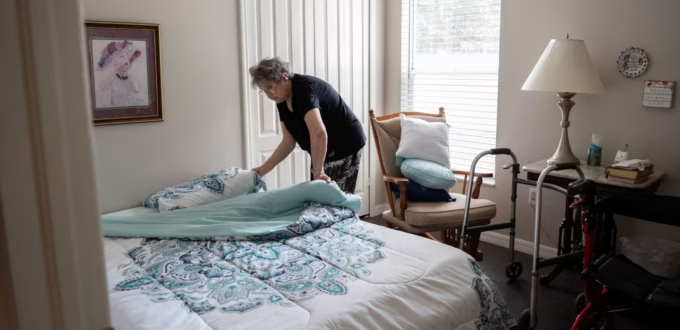
Medicaid is the main way seniors in New York receive long-term care at home, yet most families are unsure what services it actually covers. People typically begin looking into Medicaid only after a loved one starts struggling with daily tasks such as bathing, dressing, grooming, cooking, or moving safely around the home. At that moment, understanding what Medicaid pays for becomes essential. The good news is that Medicaid does cover a wide range of home care services, but the system works differently than many families expect. Coverage depends on the individual’s needs, the assessment results, and the specific program they qualify for.
The most essential service Medicaid covers is personal care through the PCA program. PCA stands for Personal Care Assistant, and it provides hands-on support with tasks that a senior cannot safely perform on their own. These services include bathing, dressing, meal preparation, toileting, walking assistance, grooming, and other daily activities that affect health, safety, and independence. PCA is not medical care. It is practical, everyday help designed to keep someone stable at home. For most seniors who need ongoing assistance, PCA becomes the foundation of long-term home care because it provides consistent support throughout the week.
PCA services are delivered by aides employed by licensed home care agencies. Medicaid pays the agency directly, so families are not responsible for the cost once the person is approved. The number of hours a senior receives depends on the Medicaid assessment. This is a structured evaluation where a nurse documents the person’s mobility, cognitive ability, and daily needs. The findings from this assessment determine the amount of support Medicaid will authorize. For seniors who struggle with balance, memory, chronic illness, or basic tasks like showering and preparing meals, PCA coverage becomes essential.
Many families ask whether Medicaid covers help from relatives. Under PCA, certain relatives can become the caregiver if they meet the criteria and complete onboarding with the agency. This option gives seniors the comfort of having someone familiar while ensuring the care remains regulated and supervised. It also provides a stable environment because the caregiver receives training and support through the agency. This structure is beneficial when the senior becomes anxious with unfamiliar caregivers or when daily routines require more sensitivity.
Families sometimes hear about CDPAP and wonder whether Medicaid covers it. CDPAP does allow the patient to choose their caregiver, including adult children, in many situations. While Medicaid funds CDPAP, it is not always the most practical program for seniors who need consistent hands-on care. Adult children often have work schedules and other responsibilities that prevent them from providing care every day. PCA offers greater stability by ensuring the senior always has a caregiver available through agency staffing, even if the primary aide cannot work on certain days.
Medicaid also covers services through the OPWDD system for individuals with developmental disabilities. OPWDD offers a broader range of support, including personal care, skill development, and community involvement. Families caring for an adult with a developmental disability often find OPWDD more comprehensive than traditional home care. For these individuals, Medicaid covers services designed for long-term stability rather than basic assistance.
Another question families ask is whether Medicaid covers short-term home medical care. While PCA focuses on daily living tasks, medical services such as nursing visits or therapy are typically covered under separate programs. These services are usually short-term and ordered by a doctor. They do not replace daily assistance and do not influence the number of PCA hours approved. Many families combine temporary medical care with long-term PCA support to create a complete care plan.
The critical thing to understand is that Medicaid provides coverage for personal care because it recognizes that seniors can remain safely at home with proper support. This is often more affordable and more comfortable than institutional care. Once a senior qualifies for Medicaid-funded home care, the program provides ongoing assistance without requiring families to pay out of pocket. This makes Medicaid the most reliable and accessible option for long-term home care in New York.
If you want help determining whether your loved one qualifies for PCA or OPWDD and need guidance through the Medicaid approval process, our team can assist you. Begin the next step at FamilyCaregiverNY.com/contact.