

Medicaid does cover walkers for seniors, but coverage depends on the type of Medicaid plan, medical necessity, and how the request is submitted. In New York State and especially New York City, walkers are treated as durable medical equipment, not general supplies, which means approval is based on clinical need rather than age.
For seniors on New York Medicaid Fee-for-Service, a walker may be covered when a doctor documents that the senior has a mobility limitation that makes walking unsafe without assistance inside the home. Common qualifying situations include balance disorders, arthritis that limits walking, post-surgery weakness, neurological conditions, or a documented risk of falls. Medicaid typically covers a standard walker when it is prescribed and ordered through an approved medical supplier. Higher-end walkers, such as rollators with seats or brakes, are usually not fully covered unless additional justification is provided.
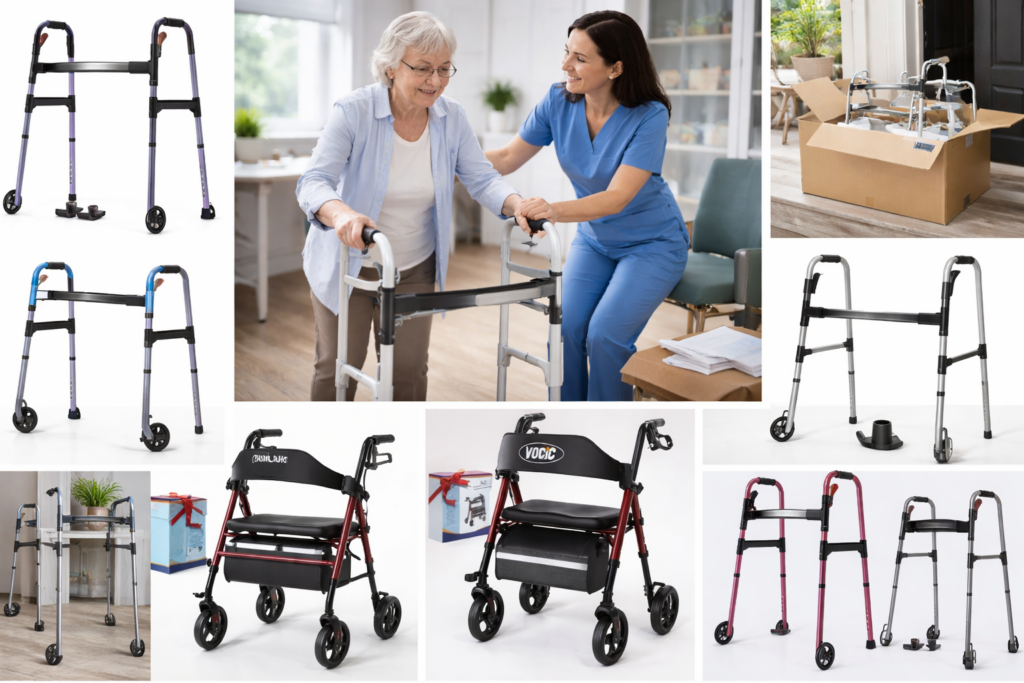
Seniors enrolled in a Managed Long Term Care (MLTC) plan often have broader access. MLTC plans are designed to help seniors remain safely at home, so walkers are often included in the care plan following a nursing assessment. In many cases, the MLTC plan coordinates delivery directly and covers most or all of the cost, provided the walker is medically necessary for daily mobility. Coverage amounts and specific models vary by plan, but MLTC approvals are often faster than standard Medicaid requests.
For seniors who have both Medicare and Medicaid, Medicare is usually billed first. Medicare may cover a portion of the cost of a walker as durable medical equipment, while Medicaid can sometimes cover the remaining balance. However, neither program typically reimburses walkers purchased independently without prior authorization.
One important detail many families overlook is timing. Medicaid coverage can take time due to paperwork, assessments, and supplier coordination. For seniors who need immediate support to prevent falls, families often choose to purchase a walker out of pocket while insurance approval is pending.
If you are helping a senior in New York City who struggles with walking, understanding which program they are enrolled in makes a major difference in what is covered and how quickly equipment can be obtained. If you need guidance with Medicaid, MLTC enrollment, or in-home support options, you can contact us directly through our contact page, and we will point you in the right direction.
Getting the right mobility device early can help seniors stay safe at home and avoid preventable injuries while longer-term coverage is being arranged.