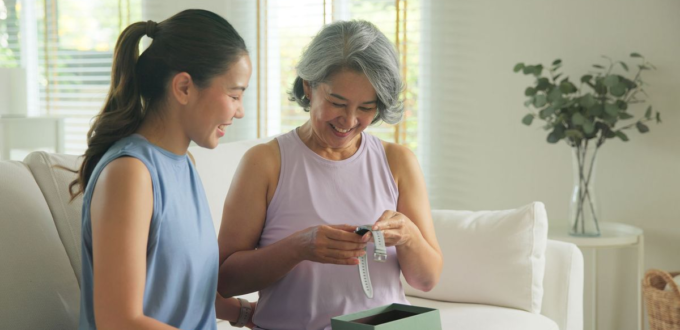
Home care monitoring devices have become essential tools for families who want to keep elderly loved ones safe while respecting their independence. These devices help track safety, movement, medication routines, and general well-being. Many seniors prefer to remain at home, and monitoring devices reassure families that their loved one is protected even when they cannot be with them. Understanding the most popular types of monitoring devices helps families choose technology that fits their needs.
Fall detection devices remain the top choice for families with elderly parents. These devices can automatically detect a fall and alert emergency contacts or monitoring centers. For seniors with mobility issues, these tools are invaluable because they provide immediate support in the event of an accident. Many families choose wearable devices with built-in sensors because they offer real-time alerts and do not require the individual to press a button.

Smart home sensors are also becoming popular. These devices monitor movement patterns, door openings, and room activity. They help families understand whether the senior is following their daily routine or if something unusual occurs, such as extended inactivity or nighttime wandering. These systems are discreet and operate in the background, making them ideal for seniors who prefer minimal disruption.
Medication reminders are another essential tool. Many seniors take multiple medications daily, and missing doses can lead to complications. Automated pill dispensers and innovative reminder systems alert the senior when it is time to take their medication. These devices help reduce mistakes and support overall health, especially for individuals with chronic conditions.
Video monitoring systems are used in some households, but families should consider privacy preferences before installing cameras. Many people prefer motion sensors over video so that monitoring remains respectful while still providing safety. Families focused on fall prevention or wandering often choose non-camera sensors to balance safety and dignity.
Health monitoring devices such as blood pressure cuffs, glucose meters, and pulse oximeters have also become more advanced. Some models connect to mobile apps that track readings and notify caregivers when results fall outside normal ranges. These devices are helpful for individuals managing chronic illnesses and help families stay informed about their loved ones’ health.
Monitoring devices work best when used alongside PCA services. Caregivers help with daily activities, while monitoring devices track safety between visits. Together, they create a support system that helps seniors remain independent and secure. Choosing the right devices depends on the senior’s mobility, memory, and medical needs.
Families should avoid choosing monitoring devices based solely on price. Equipment should be reliable, easy to use, and backed by strong customer support. Devices that integrate with mobile apps are beneficial for adult children who live far from their parents. Monitoring technology continues to improve, giving families better options than ever before.
If you want support enrolling your loved one in PCA or OPWDD programs while setting up a safe home environment, visit FamilyCaregiverNY.com/contact.