
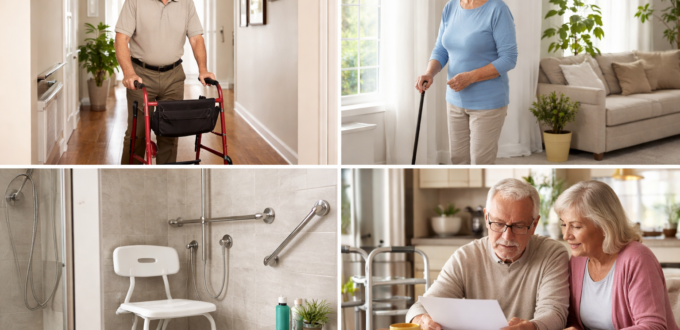
A mobility device is any tool designed to help a person move more safely and independently when walking, standing, or transferring becomes difficult. A simple example is a walker, but mobility devices go far beyond that. Canes, rollators, wheelchairs, transfer benches, bed rails, and car assist handles are all mobility devices used every day by seniors and people with limited movement.
Many families assume mobility devices are only needed after a serious injury or surgery. In reality, they are often introduced much earlier. Subtle balance issues, slower walking speed, joint pain, or fear of falling are common reasons someone begins using a mobility device. Waiting until a fall happens is usually too late. Falls are one of the leading causes of injury among older adults, and many are preventable with the right support equipment.
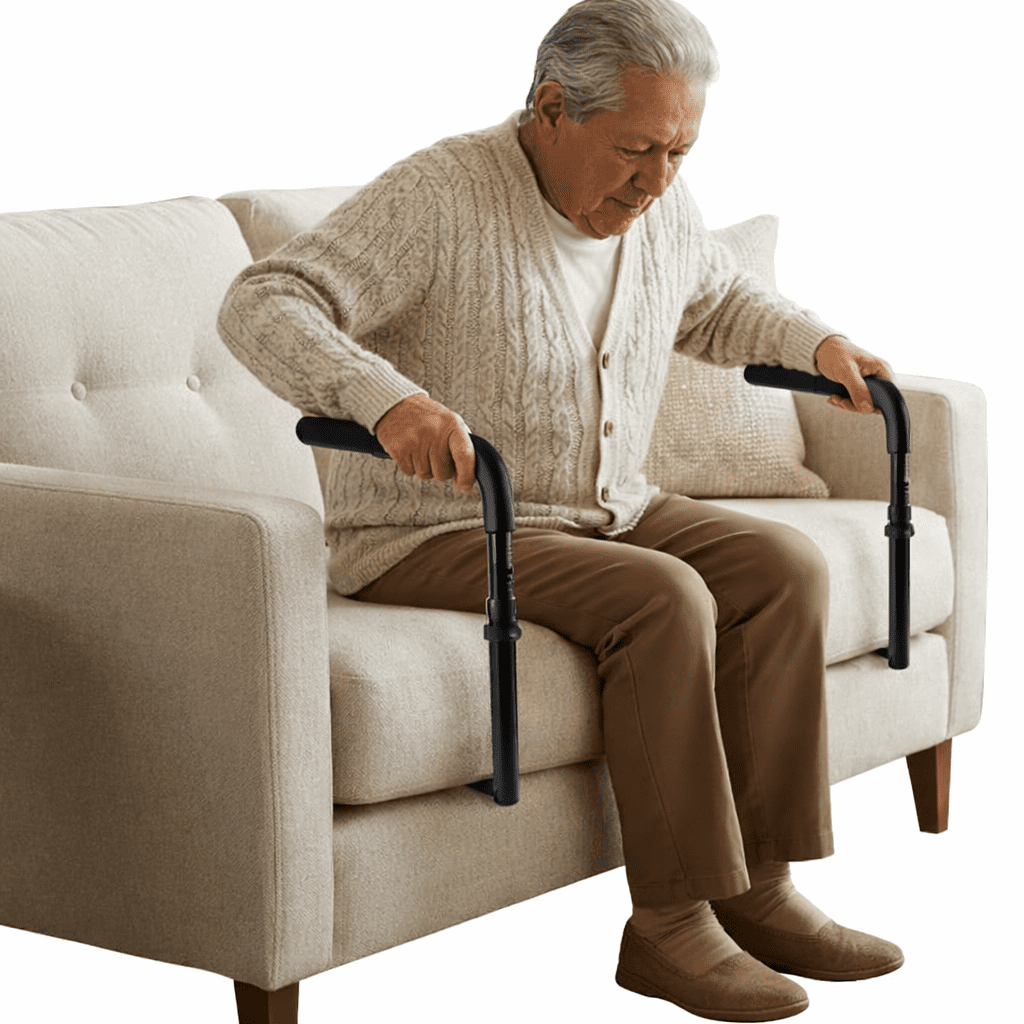
A common example is a rollator walker with wheels and a built-in seat. This type of device helps someone stay upright while walking and provides a place to rest when fatigue sets in. Another example is a shower chair, which allows a person to bathe safely without standing on slippery surfaces. Bed rails help with getting in and out of bed, while car assist handles make entering and exiting a vehicle easier.
The right time to introduce a mobility device is when daily activities start to feel harder or less stable, not when independence is already lost. Using a mobility aid does not mean giving up independence. In many cases, it does the opposite by allowing people to continue living at home safely.
Families exploring mobility devices often do so alongside home care planning. If mobility challenges are increasing, it may also be time to look into personal care assistance or other home care support options. Mobility devices work best when combined with proper care, supervision, and a safe home environment.
If you are caring for a loved one and noticing early signs of mobility decline, it is worth taking action sooner rather than later. Support and guidance can make the transition smoother and prevent emergencies down the road. If you need help understanding home care options in New York, you can reach out through the contact page to get clear next steps.
Mobility concerns often go hand in hand with questions about safety and daily support. Many families start by exploring simple mobility and home safety devices that can make everyday life easier.
You can view a selection of mobility aids for seniors here:
View mobility devices on Amazon
If you’re caring for a loved one in New York and want help understanding home care options or eligibility, you can reach out here:
Contact Family Caregiver NY