

Free walkers for seniors are not giveaways or promotional items. In New York City, a walker is considered durable medical equipment, and getting one at no cost depends on medical need and insurance eligibility, not age alone. Many seniors qualify without realizing it, especially when balance, weakness, arthritis, or fall risk begins to affect daily life at home.
In NYC, the most common way seniors receive a free walker is through Medicaid or a Medicaid-managed plan such as MLTC or Medicaid Advantage Plus. When a doctor documents that a senior has difficulty walking safely within the home, Medicaid can cover a standard walker at 100% of the cost. The walker must be medically necessary, meaning it helps the person move safely between essential areas like the bedroom, bathroom, and kitchen. This applies whether the senior lives alone, with family, or in supportive housing.
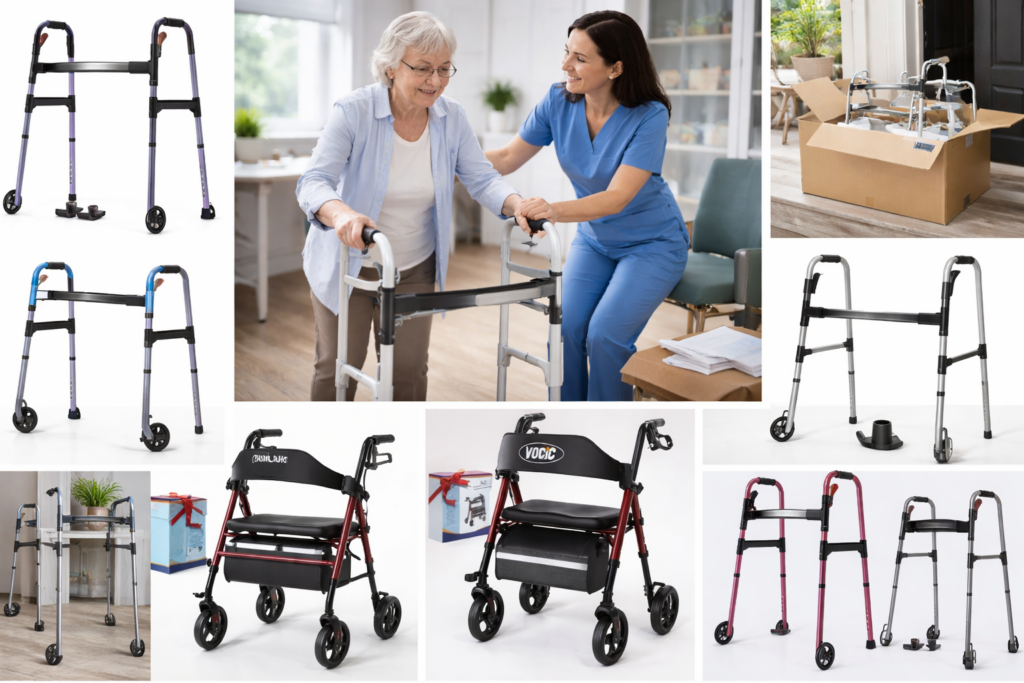
Medicare can also cover walkers for seniors, but the rules are stricter. Medicare generally covers eighty percent of the approved cost, and only when the walker is needed for in-home mobility. Seniors without secondary coverage may still be responsible for the remaining portion, which is why Medicaid coverage is often the more complete option in NYC.
Many seniors enrolled in MLTC plans receive walkers faster because the plan handles authorization and delivery directly. A nurse assessment is usually required, and approval is based on fall risk, strength, and the ability to safely ambulate without assistance. Seniors who are denied still have the right to appeal, and many approvals happen after additional documentation is submitted.
If mobility issues are making daily life unsafe, we can help families understand coverage options and next steps. You can contact us here to get guidance tailored to your situation:
https://familycaregiverny.com/contact/
This approach keeps seniors safer at home while ensuring they navigate New York’s Home Care and medical coverage rules correctly.